- Worthyest
- Posts
- How Curiosity Expands with Age
How Curiosity Expands with Age

Worthyest
March 18, 2026
Worthyest

How Curiosity Expands with Age
Good Morning.
Curiosity is often associated with youth.
Children ask endless questions. Teenagers explore new interests. Early adulthood is filled with discovery. It’s easy to assume that curiosity naturally fades over time, replaced by routine and familiarity.
But the pattern isn’t always so simple.
In many cases, curiosity doesn’t shrink with age. It changes shape.
A young person encountering a subject for the first time may be drawn to novelty. Everything feels new. Every answer leads to another question. The excitement comes from discovery itself.
Later in life, curiosity often grows from context.
A historian reading about an ancient civilization is not just learning new facts. They’re connecting ideas to decades of prior knowledge. A gardener becomes curious about soil chemistry after years of watching plants grow. A traveler begins noticing architecture, language, and small cultural details that once went unnoticed.
Experience creates a framework that makes new information more interesting, not less.
Psychologists sometimes describe this as knowledge scaffolding. The more a person knows about a subject, the easier it becomes to ask deeper questions. Instead of curiosity fading, it becomes more focused.
A child might ask, “What is that?”
An adult might ask, “Why did it develop that way?”
The difference is subtle but important.
Early curiosity is often broad. Later curiosity can become layered. Each new idea connects to something already understood, turning learning into a kind of conversation with the past.
That’s why many people find themselves becoming curious about subjects they once ignored. History. Cooking. Astronomy. Music theory. The details become more interesting when they connect to experience.
In that sense, curiosity doesn’t simply belong to the young.
It belongs to anyone who continues paying attention.
Over time, the questions may become fewer, but they often become better.
Sponsored by Celluma
The LED Device Clinics Actually Use.
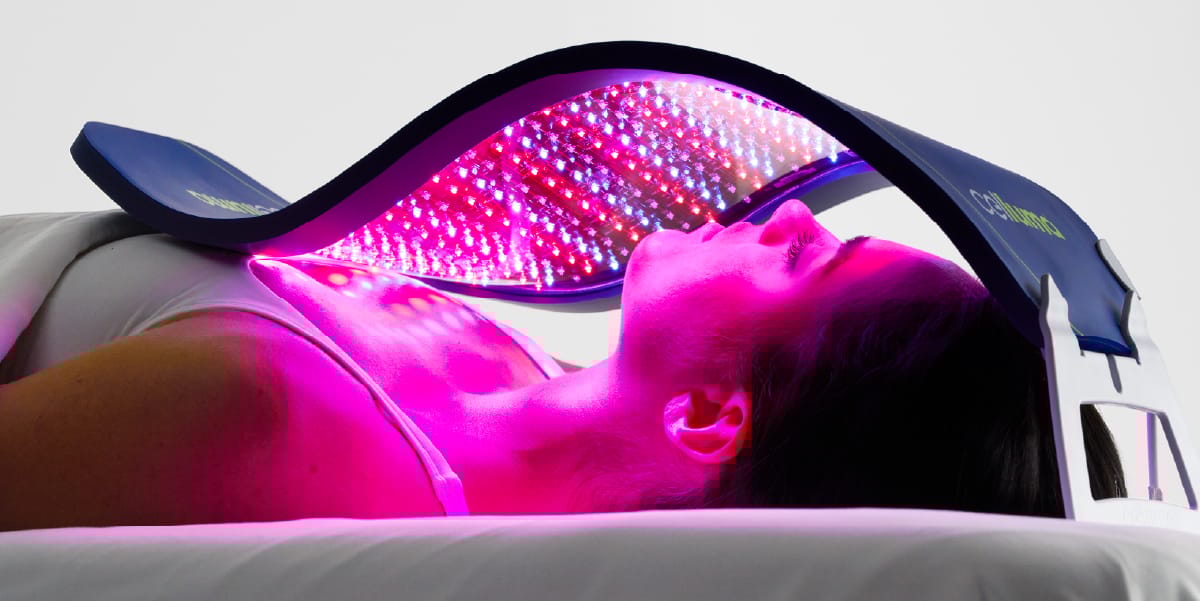
Not all light therapy is created equal.
Celluma is FDA-cleared for wrinkles, acne, pain relief, hair growth, and body contouring — and trusted by physicians worldwide. Professional-grade wavelengths. Patented flexible design. Clinically validated results. If you want the serious version of LED therapy, this is it.
Results vary. Consistent use required.
The Curiosity Edit

Today’s Insight: Cardiovascular Health
A Cholesterol Test You've Never Heard Of Is Now Recommended to Prevent Heart Disease
A lesser-known cholesterol marker is getting new attention from doctors, and it could change how heart risk is measured. Updated guidance now recommends testing for a genetic factor that standard cholesterol panels often miss, offering a clearer picture of who may be at risk long before symptoms appear. Read the full story here.
Modern Living:
Motivation & Behavior
5 Surprising Ways to Get Motivated
Motivation doesn’t always come from big goals or bursts of discipline. Sometimes it’s shaped by small, unexpected shifts in how you approach a task. A closer look at everyday habits reveals a few less obvious ways people get themselves moving, even when they don’t feel like it. Read the full story here.
Together with Allara
Feeling off lately? It could be your hormones.

Allara helps women understand the root cause of their hormonal or metabolic symptoms with a comprehensive care team that combines expert medical and nutrition guidance. Whether you're managing PCOS, fertility challenges, perimenopause, thyroid conditions, or unexplained symptoms, you'll get a personalized care plan backed by advanced diagnostic testing and ongoing support. This isn't about quick fixes. It's about getting clarity and feeling like yourself again, with care that's accessible virtually and covered by insurance.
Health & Wellness

Pain, Perception, and Daily Function
Health is often shaped by connections people do not immediately see, between pain and heart risk, strength and brain aging, or even sensory focus and how the body processes the world. This group looks at those links through the lens of everyday function.
What's Causing Your Lower Back Pain? Exercises and Other Remedies
A practical overview of the common drivers behind lower back pain, along with the kinds of movement and care strategies often used to manage it.
This Type Of Workout Can Lower Your Brain's Biological Age By 2 Years
New research highlights a form of exercise that may influence cognitive aging, adding to the growing connection between physical training and brain health.
The 6 Ways Your Chronic Pain Is a Heart Health Risk
A closer look at how ongoing pain can affect cardiovascular health through multiple pathways, making it more than a quality-of-life issue.
Finding Joy in the Chore of Home Cooking
A reflection on how cooking can feel burdensome in daily life, and what it takes to reconnect with it as something other than another task to get through.
Does Closing Your Eyes Really Help You Hear Better? Science Has an Answer
A familiar instinct is put to the test, with new findings on how visual input may shape the brain’s ability to process sound.
The Conscious Plate:
Food, Nutrition & Elevated Living
Inflammation, Fat Quality, and Everyday Food Choices
A lot of nutrition advice still comes back to the same core questions: what drives inflammation, what supports digestion, and how timing and food quality affect the body over time. This group looks at those questions through both practical guidance and broader pattern recognition.
What Foods Trigger Inflammation?
A closer look at which foods are most often linked to inflammatory response, and why that matters beyond a single meal.
Pancreatitis Diet Tips and Foods to Eat and Avoid
An overview of how eating patterns may need to change when digestion is compromised, with attention to reducing strain on the pancreas.
I'm a Dietitian. Here's What I'd Put on My Low-Carb Grocery List
A practical look at how a low-carb grocery approach can be structured without turning everyday eating into something overly rigid.
How To Distinguish Between Healthy and Unhealthy Fats
A clearer framework for thinking about fat quality, moving past outdated blanket rules and toward how different fats function in the diet.
The Best Time to Eat Dinner, According to Experts
Experts revisit meal timing through the lens of sleep, metabolism, and daily rhythm, with a focus on when dinner may work best for the body.
Final Note
This is what we leave you with. A thought to end the day, carry in your pocket, or come back to later. Nothing big. Just something to reflect on.
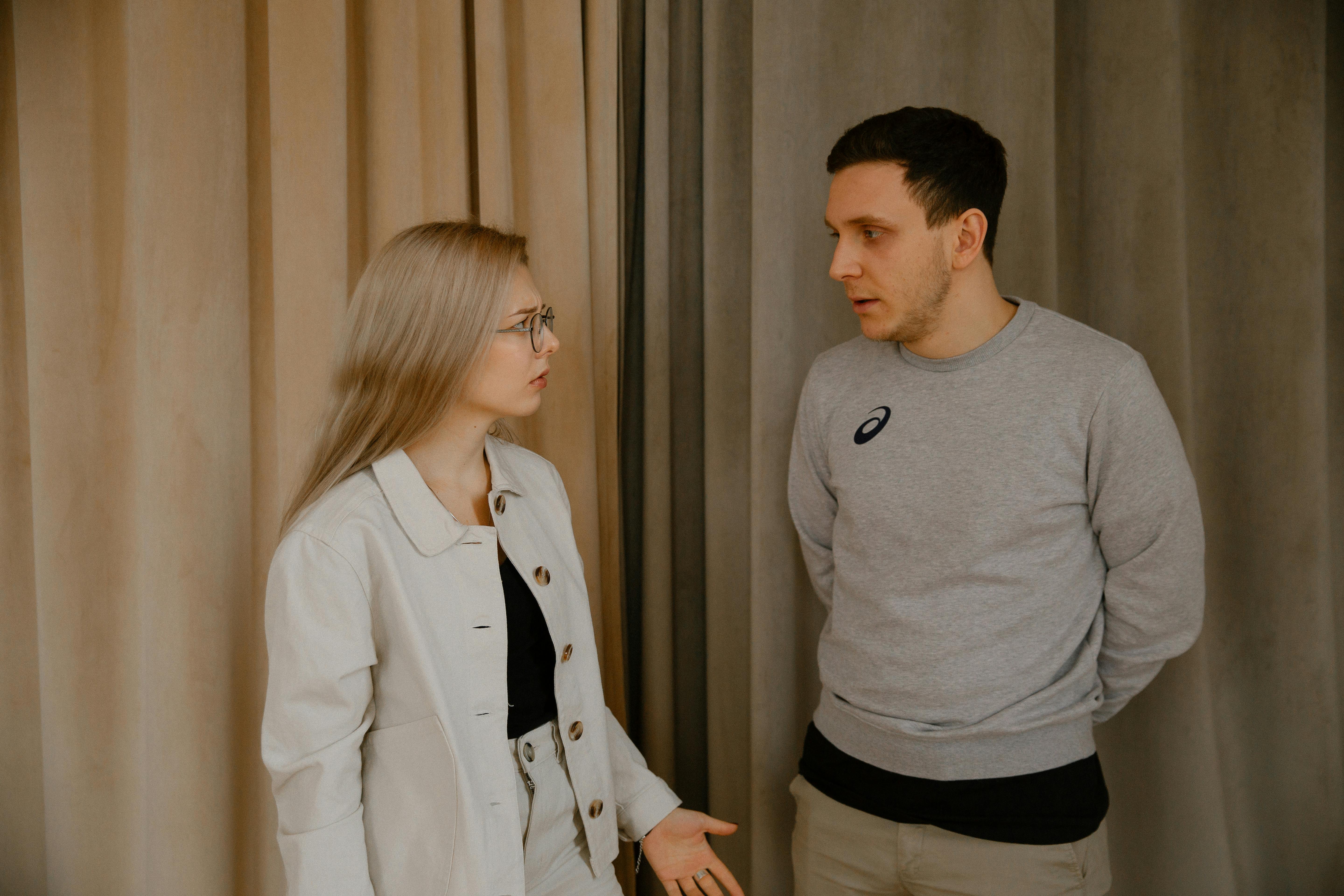
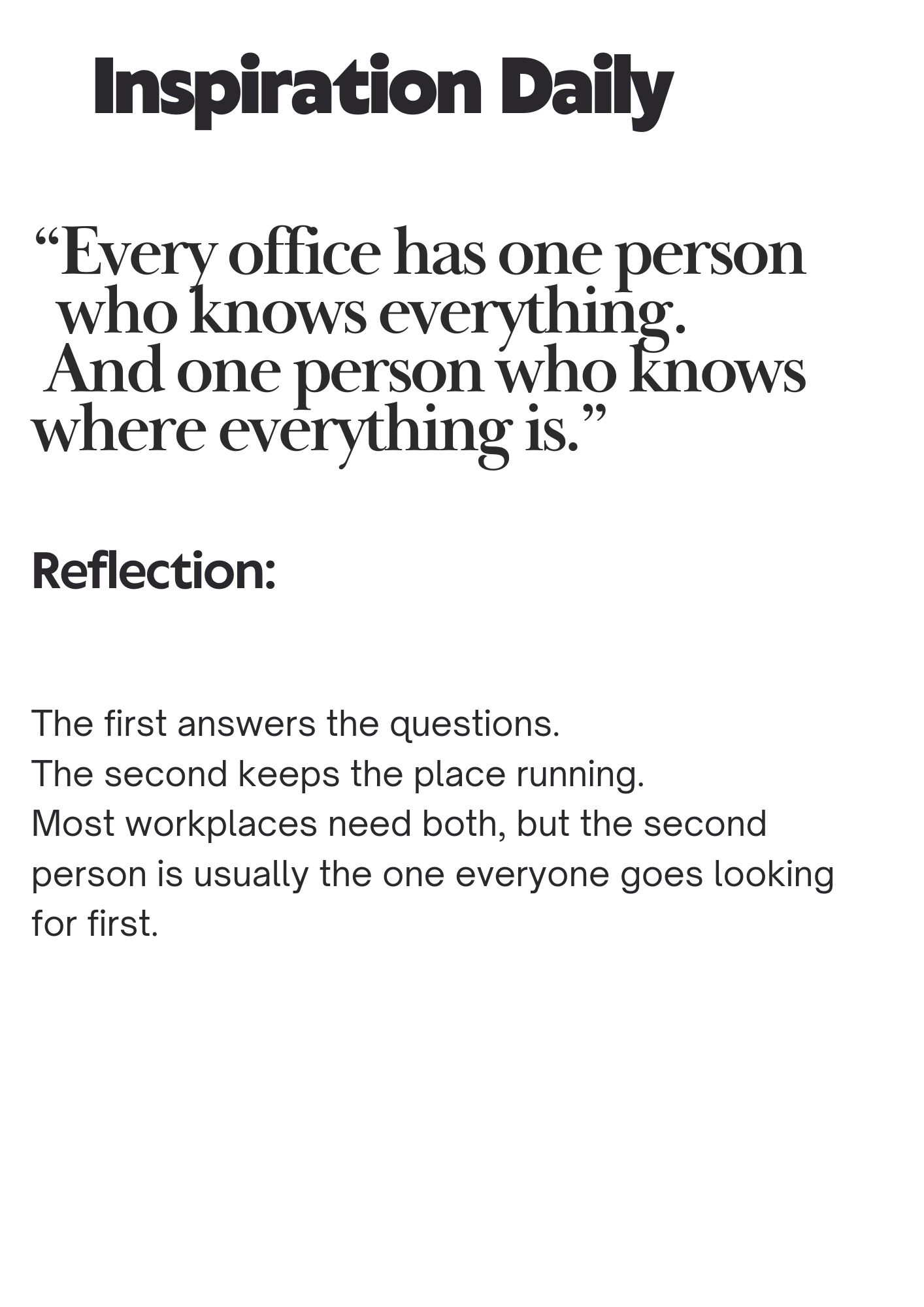
“I Won’t Keep You” Usually Means the Opposite
Someone says “I won’t keep you,” and something in your brain already knows how this is going to go. The conversation stretches anyway, and now you’re caught between being polite and wanting to move on. It’s a small moment, but it reveals how often we signal consideration while quietly doing the opposite.
Pass It On
Sometimes a thought, an idea, or a perspective lands at just the right time. If something here feels like it might resonate with someone you know, share it with them.

"Love Worthyest? Share the Joy!"
If our newsletter brightens your day, why not share it with someone you care about? Every friend you invite helps grow a community filled with insights, positivity, and meaningful tips for better living.
Your voice matters. Let’s inspire more people together.
Use the “Click to Share” button below to share the joy and help us spread the good today!
Comments, Questions or feedback please reach out to us. We would love to hear from you: [email protected]