- Worthyest
- Posts
- How Your Partner’s Relationship With Money Is a Relationship You Also Married
How Your Partner’s Relationship With Money Is a Relationship You Also Married

Worthyest
May 14, 2026
Worthyest

How Your Partner’s Relationship With Money Is a Relationship You Also Married
Good Morning.
People often think they married a person. In reality, they also married that person’s habits, fears, coping mechanisms, family patterns, and emotional history around money.
Which means many relationships aren’t just partnerships between two people. They’re partnerships between two financial belief systems trying to coexist in the same kitchen.
One person may see money as security. The other may associate it with freedom. Someone may have grown up in a house where spending created tension, while their partner came from a family where generosity mattered more than caution. One person may check the bank account before buying coffee. The other may assume things usually work out.
Neither person is necessarily wrong. But money is rarely just math.
Financial arguments often appear to be about numbers when they’re actually about emotion, identity, control, safety, status, guilt, or fear. A disagreement about a vacation budget may really be about what each person thinks is worth the money. An argument about saving can become an argument about trust.
Even small spending habits can mean more than they seem, depending on what money represented growing up. That’s partly why financial compatibility matters far beyond income level.
Two people can earn plenty of money and still feel financially unstable together. Meanwhile, other couples with far less income manage surprisingly well because their emotional relationship with money is aligned. The tension often comes less from the amount of money itself and more from the emotional story surrounding it.
Modern relationships also carry financial pressures previous generations didn’t navigate in quite the same way. Student debt. Rising housing costs. Constant lifestyle comparison through social media. A culture that simultaneously encourages spending, optimizing, investing, self-care, luxury experiences, and financial discipline all at once.
Money has become emotional weather inside many relationships. Sometimes calm. Sometimes unpredictable. Sometimes sitting quietly in the room even when nobody is actively discussing it.
The difficult part is that people often know their partner’s favorite foods, childhood stories, political opinions, and entertainment tastes before fully understanding how they emotionally behave around money.
But eventually, the patterns appear.
Because over time, spending reveals priorities, saving reveals fears, and financial habits reveal parts of people they may not know how to explain out loud.
Sponsored by Fisher Investments
How Will You Generate Retirement Income?

Most people with $1,000,000 or more saved have a number. Fewer have a plan for turning it into reliable income. Fisher Investments' Definitive Guide to Retirement Income helps you calculate future costs and build a portfolio strategy around them.
The Curiosity Edit

Today’s Insight: Oral Health
Scientists Discover a New Way to Prevent Gum Disease Without Killing Good Bacteria
Most bacteria in the mouth aren’t the enemy. In fact, many help protect the delicate ecosystem that keeps teeth and gums healthy. Scientists now say they may have found a more targeted way to prevent gum disease, one that fights harmful bacteria without wiping out the beneficial microbes living alongside them. Read the full story here.
Modern Living:
Mind & Behavior

How to Stop Lying
Most people think of lying as a momentary slip, a small misstatement to smooth over an awkward situation or protect someone’s feelings. But some patterns of dishonesty run deeper, and psychologists say that understanding why we lie can be the first step in breaking the habit. Experts offer insights into the psychology behind lying and practical steps people use to build more truth-centered habits. Read the full story here.
Health & Wellness

The New Science of Everyday Health
Sleep, metabolism, hormones, and mental health are often treated as separate concerns, but the body rarely keeps them that neatly divided. This batch looks at how routines, medications, symptoms, and emerging tests are changing the way people think about long-term care.
Prioritizing Sleep: Creating a Consistent Nighttime Routine
A better night often starts before anyone gets into bed. This article looks at how small, repeatable evening habits can help make sleep feel less accidental.
My Insurance Won't Cover GLP-1 Drugs. What Now?
Access to weight-loss medication can change quickly when insurance coverage shifts. This piece walks through the options people may consider when a treatment plan is interrupted.
6 Ways You Can Stop Hot Flashes Fast
Hot flashes can disrupt sleep, work, and daily comfort long before they’re discussed as a clinical issue. This guide focuses on practical ways to respond when symptoms appear.
This Simple Blood Test Might Detect Depression Before Symptoms Appear
Researchers are looking for biological clues that may help identify depression earlier. This study focuses on immune cell aging and how it may relate to emotional and cognitive symptoms.
New Obesity Discovery Rewrites Decades of Fat Science
Fat tissue is far more biologically active than it was once assumed to be. This research points to a newly understood role for a protein involved in fat cell health and metabolic balance.
The Conscious Plate:
Food, Nutrition & Elevated Living
What Everyday Eating Can Influence
Food choices often sit at the center of larger health questions, from liver function and brain aging to supplement use and long-term weight management. This batch looks at familiar ingredients and habits through a more practical nutrition lens.
Doctors Warn This Popular Vitamin May Quietly Disrupt Cancer Care
Supplements can affect medical care in ways people may not anticipate, especially when lab tests are involved. This article examines why one popular vitamin is drawing concern from doctors treating cancer patients.
Eating Eggs Could Cut Alzheimer's Risk by 27%
Eggs are being studied for more than protein and breakfast convenience. This research looks at how regular egg intake may relate to brain aging and Alzheimer’s risk in older adults.
The Best Banana Bread
A classic recipe can still earn its place when it’s reliable, adaptable, and built around ingredients many people already have. This version adds one small twist that helps explain why it has remained a go-to.
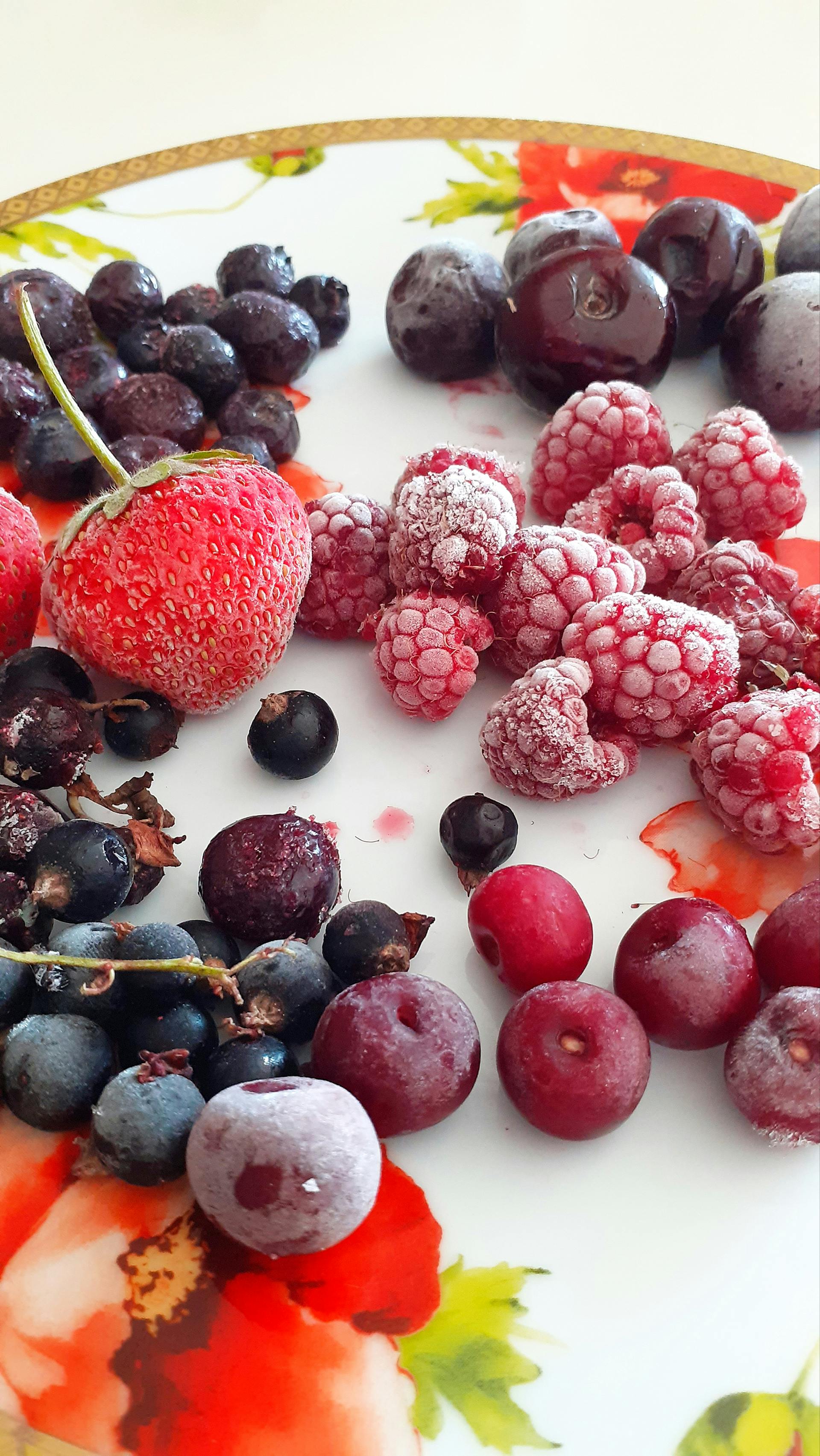
The 6 Best Frozen Fruits You Should Be Eating for Weight Loss, According to Dietitians
Frozen fruit is easy to overlook, but it can make healthy eating more consistent when fresh options are limited or expensive. This list focuses on choices that bring fiber, volume, and convenience into the same routine.
Experts Warn This Habit May Harm Your Liver Faster Than Drinking
Liver health is often discussed almost entirely through alcohol, though other everyday patterns can matter too. This article looks at one habit experts say may deserve more attention.
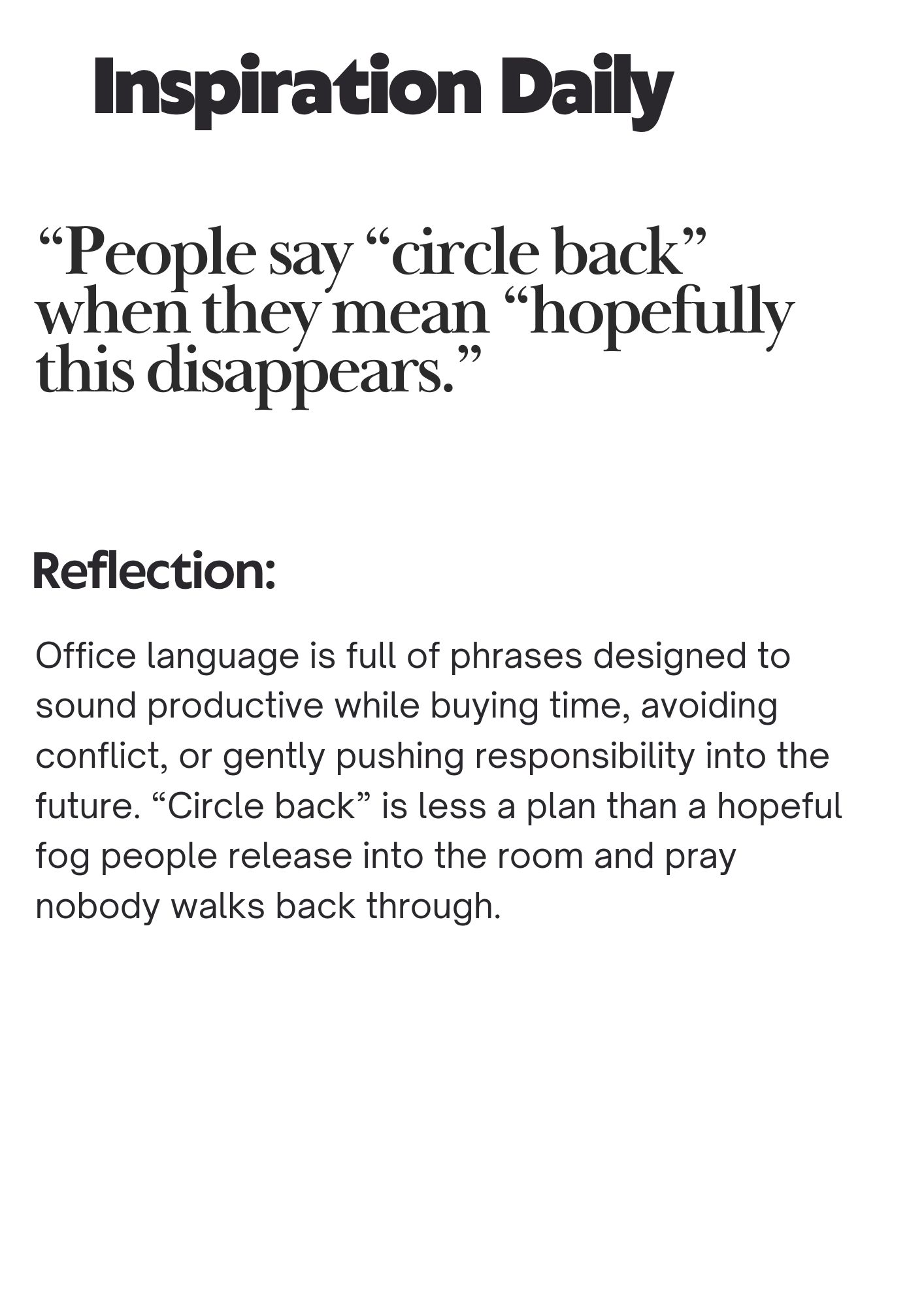
Final Note
This is what we leave you with. A thought to end the day, carry in your pocket, or come back to later. Nothing big. Just something to reflect on.
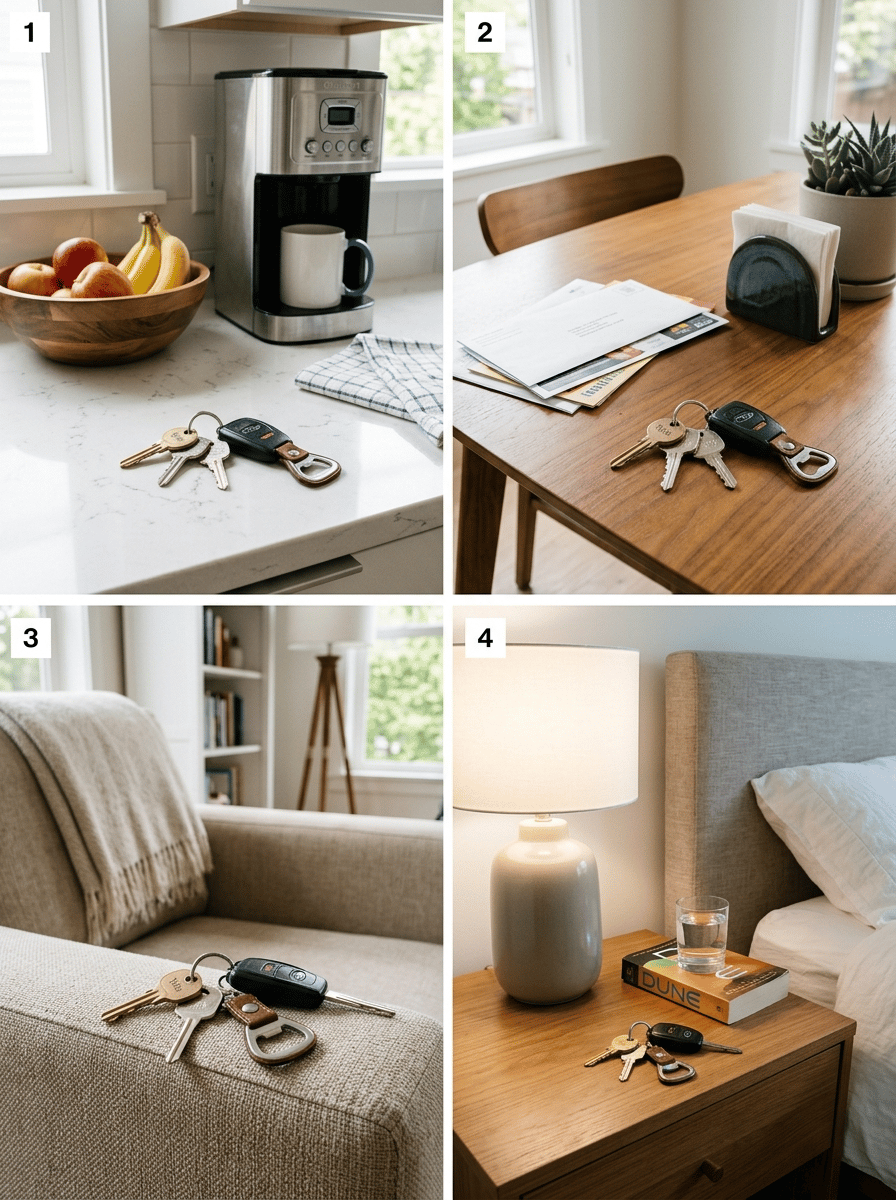
The Object in Witness Protection
Everyone has one random object they keep moving instead of putting away.
It migrates from counter to table to chair to bedroom like it’s participating in a small domestic world tour. Nobody knows where it actually belongs anymore, only that it apparently cannot stay where it currently is. Some household items stop being possessions and become ongoing negotiations.
Pass It On
Sometimes a thought, an idea, or a perspective lands at just the right time. If something here feels like it might resonate with someone you know, share it with them.

"Love Worthyest? Share the Joy!"
If our newsletter brightens your day, why not share it with someone you care about? Every friend you invite helps grow a community filled with insights, positivity, and meaningful tips for better living.
Your voice matters. Let’s inspire more people together.
Use the “Click to Share” button below to share the joy and help us spread the good today!
Comments, Questions or feedback please reach out to us. We would love to hear from you: [email protected]