- Worthyest
- Posts
- Learning How the People in Your Life Actually Work
Learning How the People in Your Life Actually Work

Worthyest
December 10, 2025
In partnership with

Worthyest
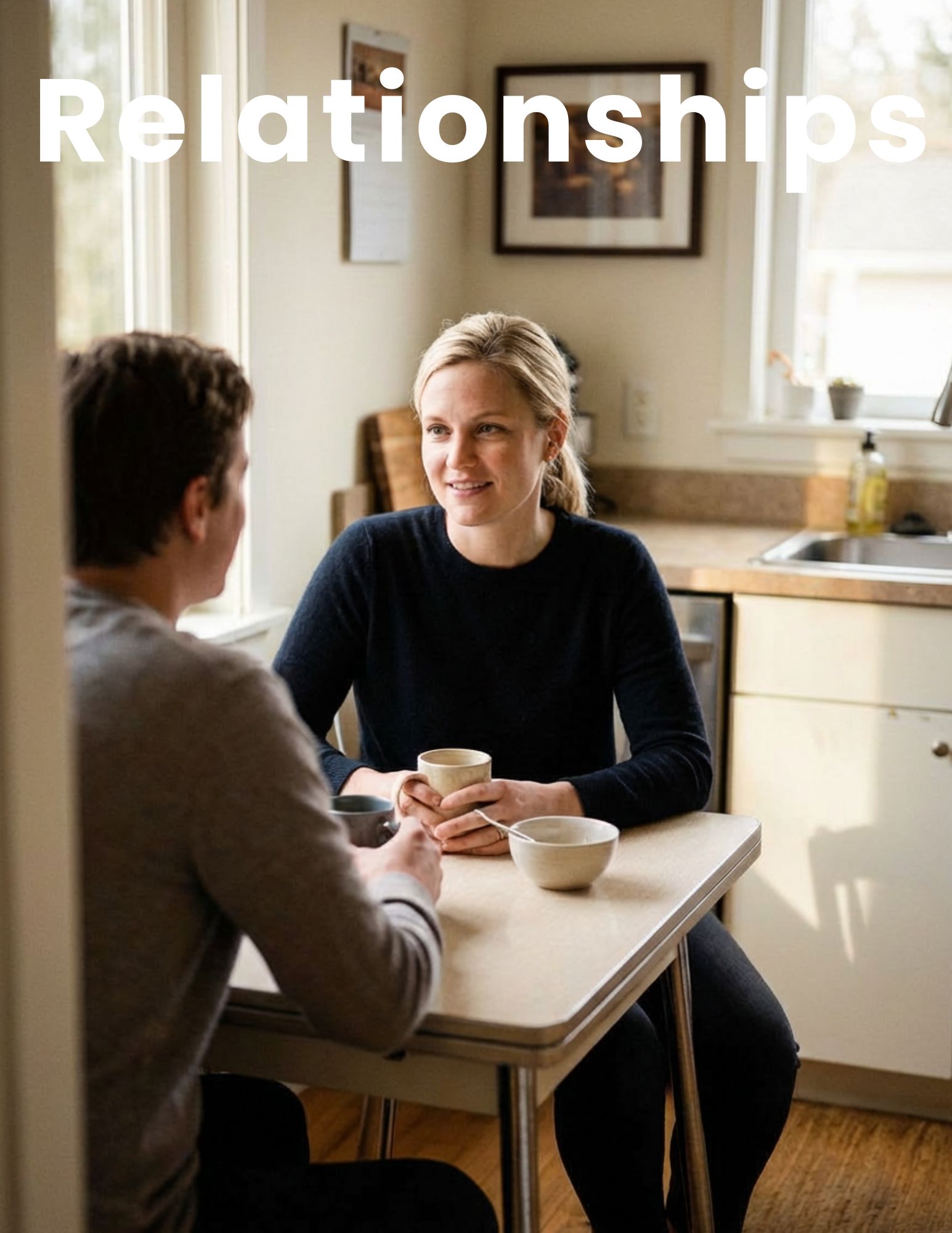
Learning How the People in Your Life Actually Work
Good Morning.
We often treat relationships as though they’re easy to navigate by instinct. We sometimes assume we’ll just know how people will behave and how to respond. But what if we approached relationships like we approach new gadgets, with a manual, a little patience, and a readiness to learn?
Imagine if, for every person in your life, there was a quick reference: what puts them at ease, what makes interactions smoother for them, how they prefer to communicate, and what kinds of situations tend to overwhelm them. Not as a guide to control them, but as a compass to understand them better.
Because the truth is, people don’t come with instruction labels. We come with histories, habits, vulnerabilities, and without guidance, we often interpret behavior through the lens of our own expectations.
What that means in practice:
Someone who seems distant isn’t always ignoring you. They might just process emotions internally and need time before they respond.
Someone who reacts strongly under stress may not be “overreacting.” They may be overwhelmed, but not unreasonable.
Someone who demands a lot of reassurance may not be needy. They may just need more information.
Relationships become easier to navigate when we start treating these differences not as friction, but as instructions we don’t yet understand.
This doesn’t mean relationships become static or transactional. It means they become conscious. You don’t memorize everything. You don’t draft a contract. You simply stay open to learning.
Ask questions. Notice patterns. Take small notes, in your head or a journal, about what feels right for each person. What puts them at ease. What usually overwhelms them. What small actions make things feel easier between you. Accept that you will misinterpret sometimes. But keep learning.
The more people you apply this to, friends, family, teammates, coworkers, the better you get at anticipating what someone might need before they even ask. You develop what we’d call a “relational fluency.” You start to understand people faster and with less guesswork. It’s not magic. It’s attention.
And once you start paying attention to how people actually work, a lot of things make more sense. That’s usually where better relationships begin.
Inspired in part by the idea of personal “user manuals” for relationships from a recent Psychology Today article.
Sponsored by Money.com
Does your car insurance cover what really matters?

Not all car insurance is created equal. Minimum liability coverage may keep you legal on the road, but it often won’t be enough to cover the full cost of an accident. Without proper limits, you could be left paying thousands out of pocket. The right policy ensures you and your finances are protected. Check out Money’s car insurance tool to get the coverage you actually need.
The Curiosity Edit

Today’s Insight: The Learning Mind
Scientists Uncover The Brain’s Hidden Learning Blocks
We all know the feeling of trying to learn something new and hitting a wall. Scientists are now uncovering what might be happening behind the scenes when the brain struggles to take in information. Read the full story here.
The Bright Side
There’s plenty of noise in the world, but here we focus on the good. The Bright Side is where positivity, progress, and proof of human kindness take center stage. Because no matter what’s happening out there, there’s always light to be found.

'A Christmas Miracle': Stranger Returns Lost Wallet To Couple's Doorstep
Sometimes the best holiday gifts don’t come wrapped. After a night out in downtown Detroit, a young couple lost their wallet, full of cash, cards, and memories, and felt sure it was gone for good. What followed was unexpected, simple, and quietly generous. Watch the video here.
Modern Living:
The Sound of Connection

8 Reasons to Call Rather than Text
Sometimes a quick text feels easier than a call. But there’s something you might be missing when you skip the dial tone. This story article argues that picking up the phone and actually hearing someone’s voice can have a profoundly different impact than a string of letters on a screen. Read the full story here.
Health & Wellness
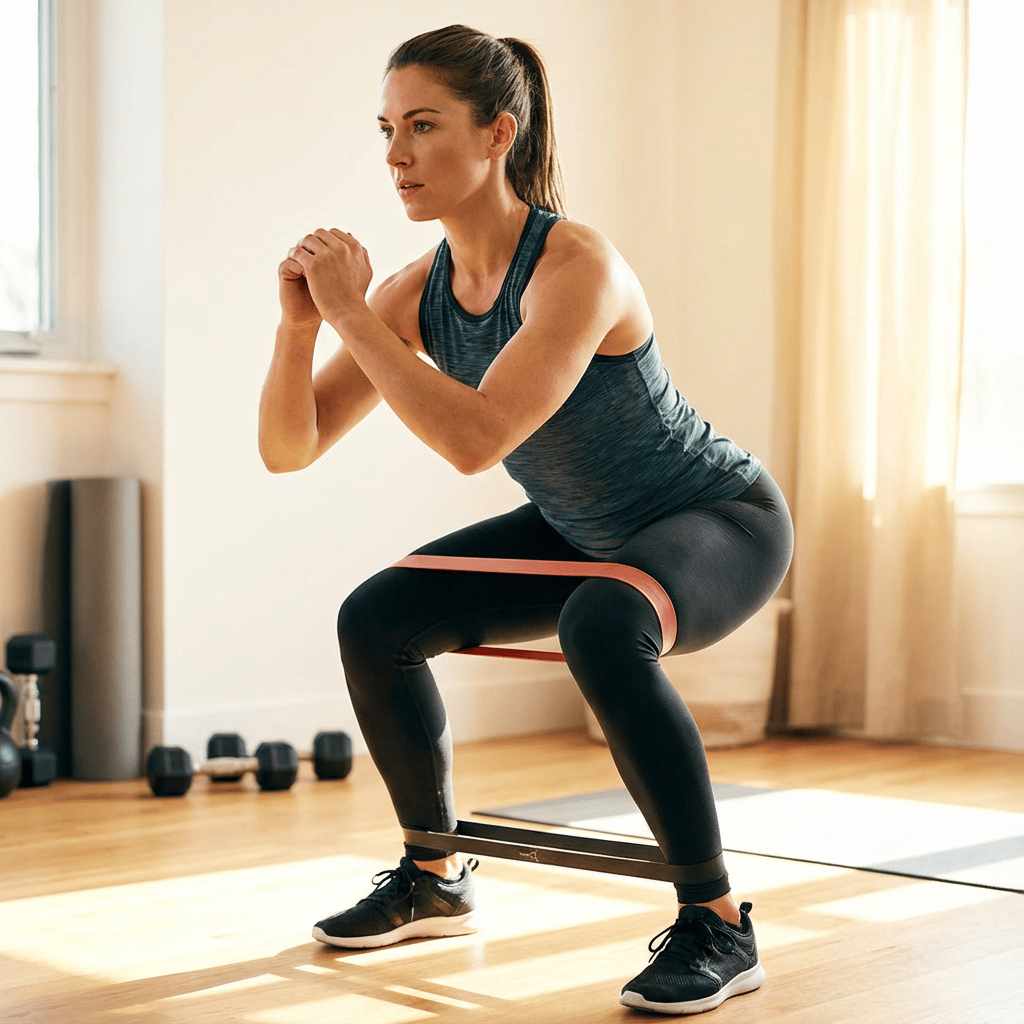
Why Everyday Patterns Shape Your Strength, Heart Health, and Brain Aging
Today’s stories look at the small choices that influence how your body feels, functions, and ages, from smarter training patterns to the surprising ways music and movement support long-term health.
5 Benefits Of Adding Resistance Bands To Your Workouts, According To A Pro
A trainer explains how these simple tools can boost strength, stability, and joint-friendly conditioning.
Listening to Music Has This Surprising Effect On the Brain and Eyes
Researchers uncover a link between music, neural activation, and visual processing that may support healthier aging.
4 Parts Of Your Body You Shouldn't Forget To Exercise
A reminder of the overlooked muscle groups that shape mobility, posture, and day-to-day function.
Doing This On Your Left Side Could Double Your Heart Risk, the American College of Cardiology Has Warned
A new analysis explores why one common position may strain the heart more than most people realize.
Reaching a Healthy Weight Could Help Your Brain Stay Younger, New Study Says
Emerging research suggests weight changes could influence markers of cognitive aging.
The Conscious Plate:
Food, Nutrition & Elevated Living
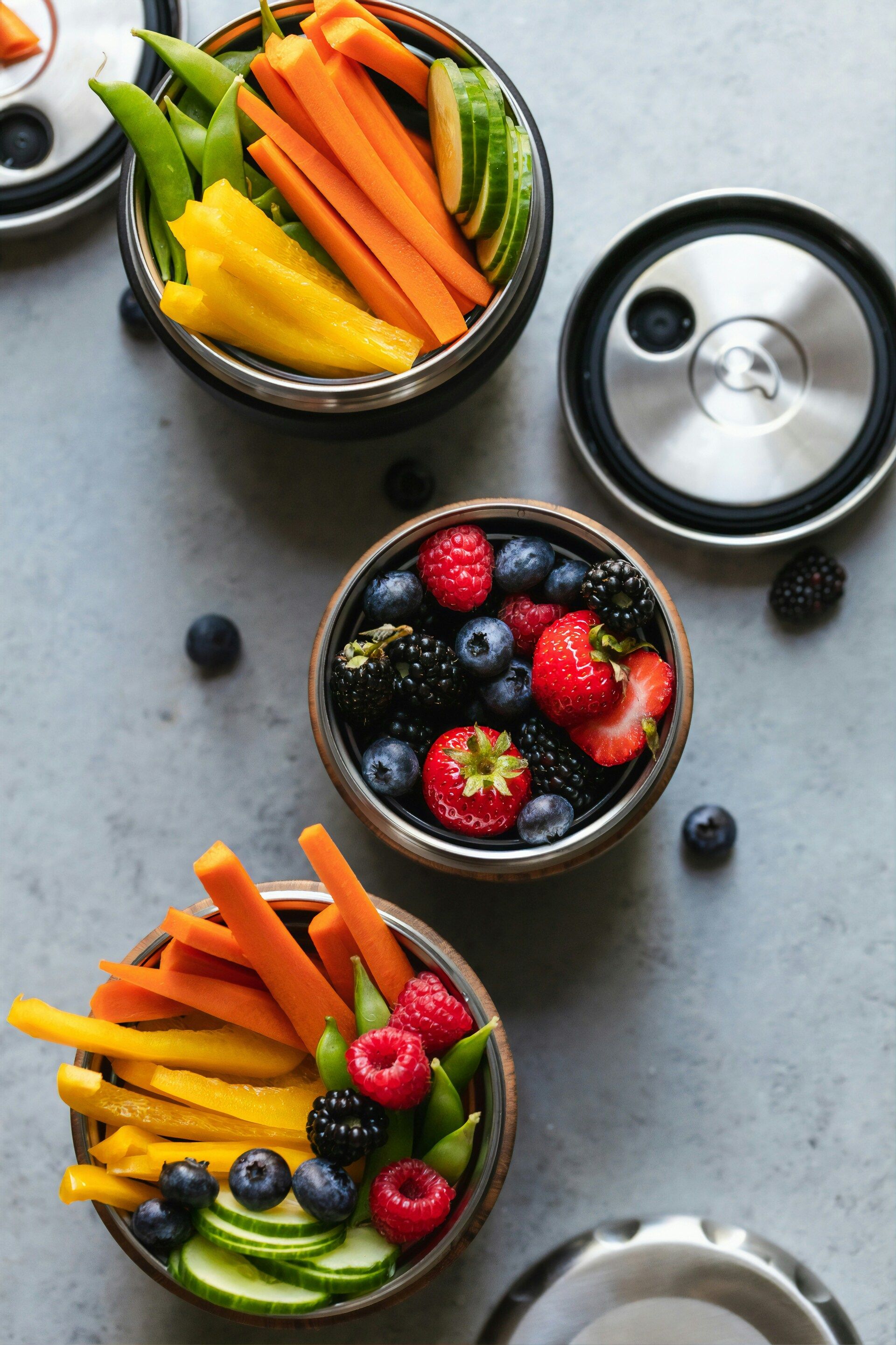
How the Foods You Choose Each Day Shape Your Long-Term Health
How everyday foods from greens and grains to nuts and seasonal sides can support clearer vision, longer living, steadier blood pressure, and lower inflammation through simple choices you can make in your daily meals.
Want Better Eye Health and Vision? Here Are 12 Superfoods That Help
From leafy greens to omega-rich staples, this guide breaks down the nutrients that directly support eyesight and long-term visual clarity.
7 Foods To Help You Live a Longer, Healthier Life
A practical look at the specific foods most consistently linked to longevity, metabolic health, and reduced chronic disease risk.
The Anti-Inflammatory Side Dish Dietitians Want You to Make This Holiday Season
A seasonal recipe with year-round benefits, built around ingredients that help calm systemic inflammation without sacrificing flavor.
What Happens to Your Blood Pressure When You Drink Caffeine
An evidence-based look at how caffeine affects blood pressure in the short term and what that means for daily habits.
Why Almonds Are So Good for You and the Best Way to Eat Them Every Day
From heart health to blood sugar balance, this breaks down how almonds work in the body and how preparation changes their impact.
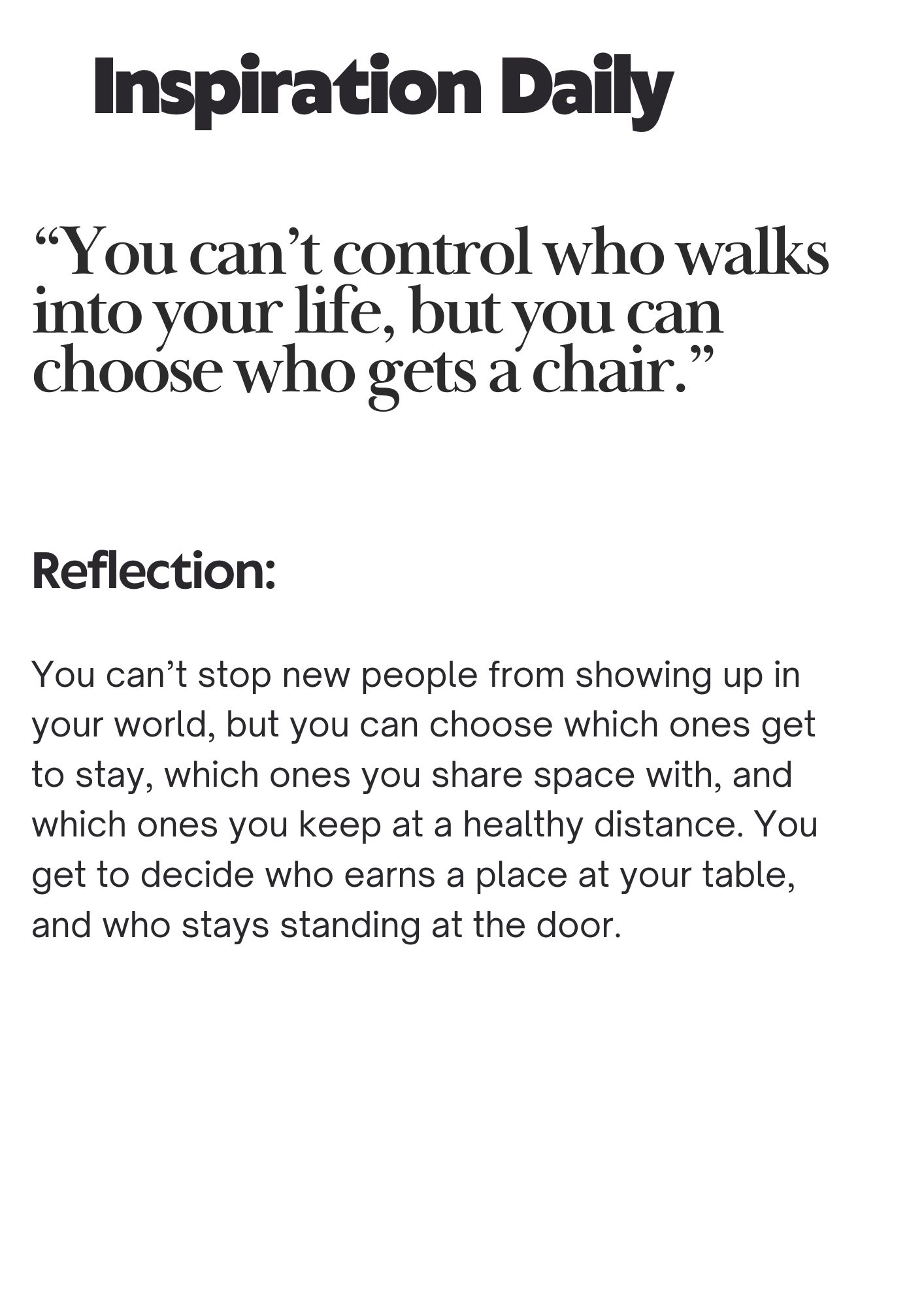
Final Note
This is what we leave you with. A thought to end the day, carry in your pocket, or come back to later. Nothing big. Just something to reflect on.

The Loyalty of Habit
Every wardrobe has that one shirt you don’t even like but keep washing because it’s already part of the family. We often keep things in our lives not because we truly love or enjoy them, but because they’ve become familiar. Through repeated use, they earn a kind of emotional “citizenship.” That shirt isn’t special, flattering, or exciting, but it’s known, and that familiarity turns into attachment.
Pass It On
Sometimes a thought, an idea, or a perspective lands at just the right time. If something here feels like it might resonate with someone you know, share it with them.

"Love Worthyest? Share the Joy!"
If our newsletter brightens your day, why not share it with someone you care about? Every friend you invite helps grow a community filled with insights, positivity, and meaningful tips for better living.
Your voice matters. Let’s inspire more people together.
Use the “Click to Share” button below to share the joy and help us spread the good today!
Comments, Questions or feedback please reach out to us. We would love to hear from you: [email protected]