- Worthyest
- Posts
- Most of Us Know Better. That’s Not the Issue
Most of Us Know Better. That’s Not the Issue

Worthyest
January 28, 2026
Worthyest
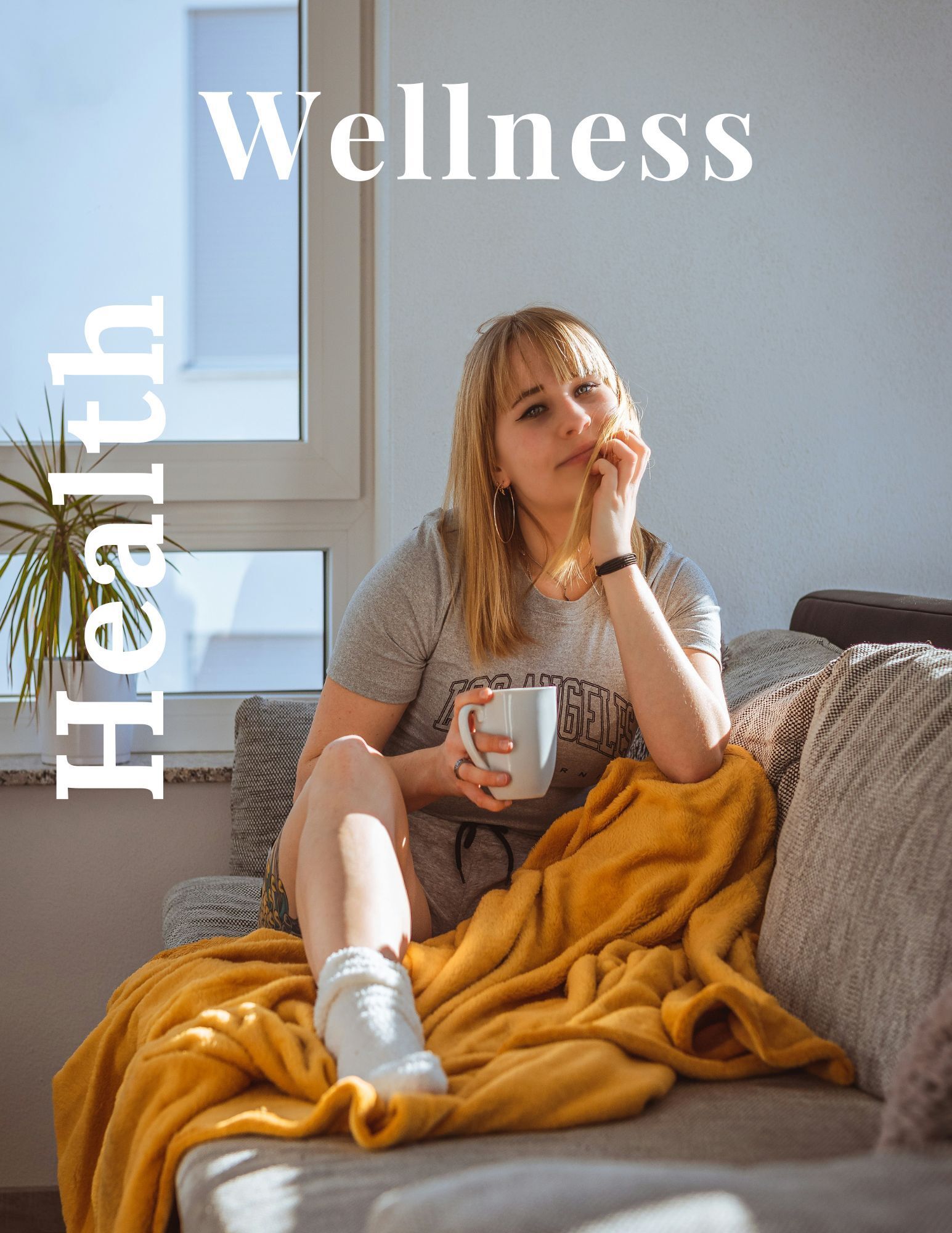
Most of Us Know Better. That’s Not the Issue
Good Morning.
There’s a gap between health literacy and health behavior, and closing it is harder than anyone admits.
By now, most people know what “healthy” looks like.
Move more. Sleep enough. Eat reasonably well. Manage stress. Don’t smoke. Don’t sit all day. Drink water. Get outside. The information isn’t hidden. It’s everywhere.
And yet, knowing hasn’t translated into doing.
This isn’t because people lack information. It’s because information was never the main barrier.
Health literacy has improved dramatically over the past few decades. Health behavior hasn’t kept pace. The gap between the two is wide, persistent, and deeply human.
Knowing better assumes that behavior is mostly a knowledge problem. That if people understood the stakes clearly enough, they would act accordingly.
But behavior doesn’t work that way.
Most daily health decisions aren’t made in calm, reflective moments. They’re made when people are tired, distracted, rushed, stressed, or already depleted. They’re shaped by routines, environments, social norms, and energy levels more than by abstract understanding.
In those moments, knowledge takes a back seat to convenience.
This is why people who can explain the benefits of sleep still scroll late into the night. Why people who understand nutrition still reach for whatever is fastest. Why stress management gets postponed precisely when stress is highest.
The obstacle isn’t denial. It’s friction.
Healthy behaviors often require effort now for benefits later. Unhealthy ones usually offer relief immediately. That asymmetry is hard to overcome, even for people who know better.
It’s also why health advice tends to fail when it focuses only on education. More facts don’t change behavior if the surrounding systems stay the same. Work schedules, food access, digital distractions, social expectations, and built environments quietly overpower good intentions.
Closing the gap between knowing and doing isn’t about motivation or willpower. It’s about design.
It’s about reducing friction for better choices and increasing friction for worse ones. About shaping defaults, routines, and environments so healthy behavior feels easier, not heroic.
Until then, the gap will remain.
Not because people don’t care about their health.
But because knowledge alone was never enough to carry the weight we put on it.
And understanding that may be the first real step toward doing better.
Sponsored by 1440 Media
Fact-based news without bias awaits. Make 1440 your choice today.
Overwhelmed by biased news? Cut through the clutter and get straight facts with your daily 1440 digest. From politics to sports, join millions who start their day informed.
The Curiosity Edit

Today’s Insight: Immune System & Resilience
Why Some People Get Bad Colds and Others Don’t
Colds affect everyone, but not all colds are created equal, and not everyone responds the same way. New research suggests that differences in immune system responses may help explain why some people get severe cold symptoms while others barely notice an infection. Read the full story here.
Modern Living:
Education & Learning Skills

Study Skills That Help Smart Students Who Still Struggle
Many students who are academically capable still struggle with studying, not because they lack intelligence but because they haven’t developed effective strategies. In this story educators outline specific study skills that help smart students improve retention, focus, and results. Read the full story here.
Health & Wellness
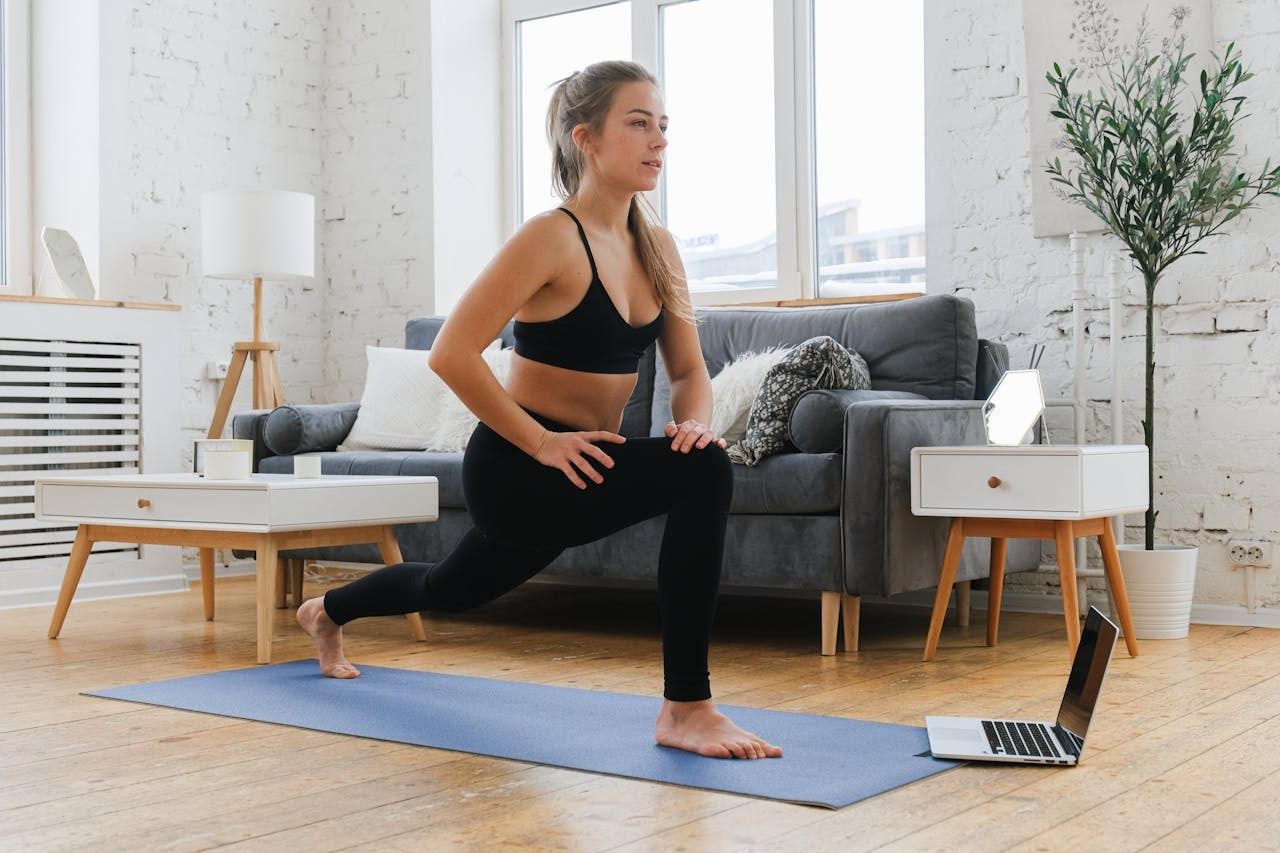
Risk Reduction, Metabolism, and Everyday Leverage Points
A focused set of stories on how small, evidence-backed changes affect heart health, metabolic control, energy, and stress. Emphasis on patterns linked to measurable improvements.
Heart Disease Deaths Declined. And Here’s How to Reduce Your Risk of the #1 Killer
Reviews recent data showing fewer heart disease deaths alongside prevention strategies tied to lower risk. Explains which behaviors are most strongly associated with improved outcomes.
Is Fasting an Effective Treatment for Diabetes?
Examines evidence on fasting approaches in diabetes management. Focuses on outcomes studied and where results remain mixed.
Morning Jumping Might Be the Energy Boost You Need
Looks at short bouts of jumping and their effects on alertness and energy. Explores why brief movement can change how the body feels early in the day.
An Endocrinologist Tried a New Weight Loss Approach and It Worked
Covers research on a treatment strategy tested in clinical practice. Details outcomes observed and how the approach differs from standard methods.
Changing This One Thought Can Instantly Reduce Work Stress
Explores a cognitive shift linked to lower stress responses at work. Focuses on perception rather than workload changes.
The Conscious Plate:
Food, Nutrition & Elevated Living
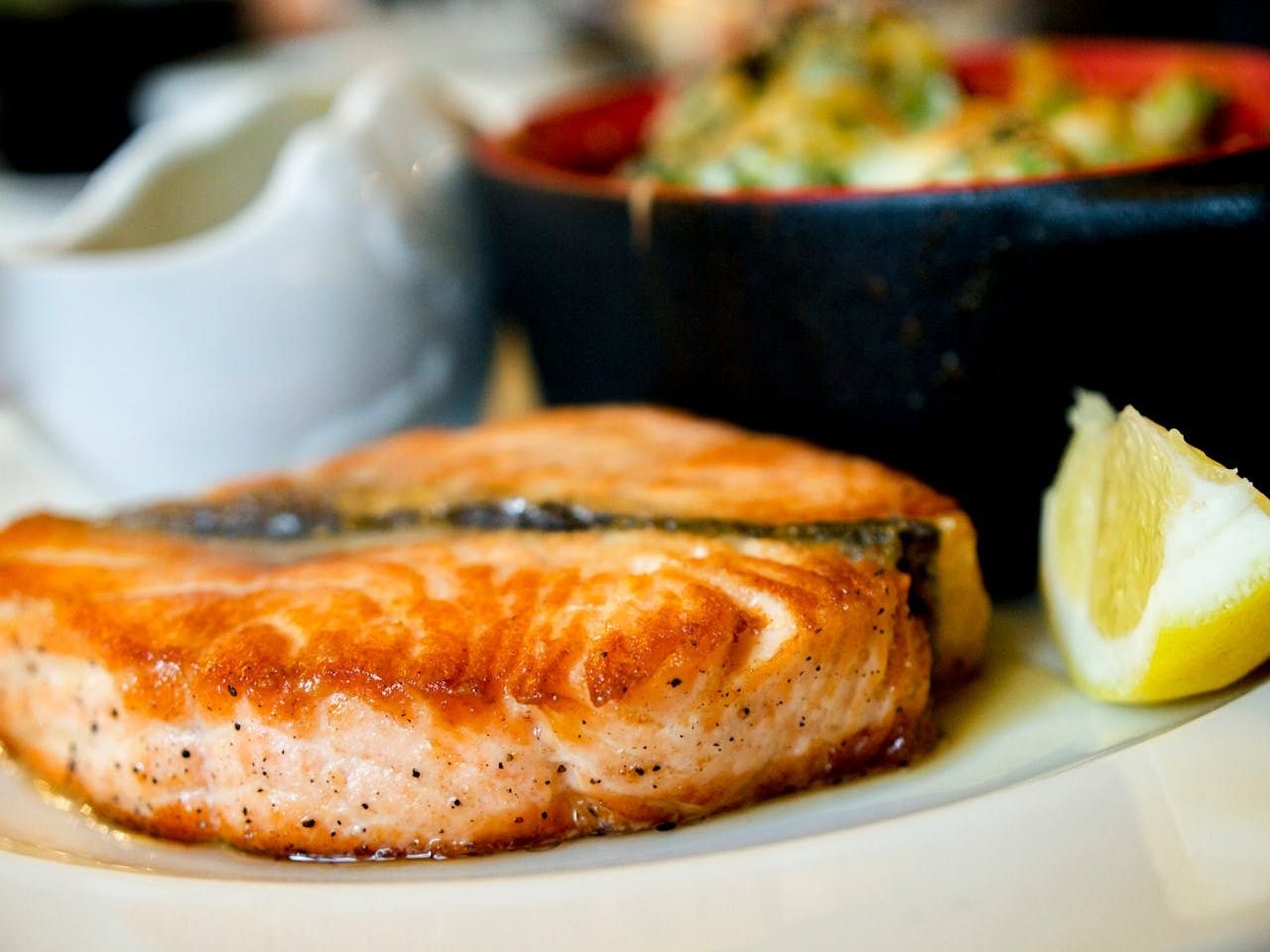
Everyday Food Choices That Support Gut, Heart, and Immune Health
A practical mix of foods, habits, and home-growing ideas that influence digestion, cardiovascular markers, and how the body responds to illness. Focused on what’s accessible and repeatable.
7 Fast-Growing Vegetables You Can Grow Indoors, According to Horticulturists
Outlines vegetables that grow quickly indoors with minimal setup. Emphasizes freshness, nutrient retention, and ease over yield.
Chai vs. Green Tea: Which Is Better for Caffeine and Antioxidants?
Compares caffeine levels and antioxidant profiles in two popular teas. Clarifies how preparation and ingredients affect their impact.
Eating This Overlooked Nutrient Is Essential for Gut Health. Here’s How to Always Have It on Hand
Explores a nutrient linked to gut function that many diets fall short on. Focuses on practical ways people actually keep it available.
We Asked a Cardiologist How Long You Need to Take Fish Oil to Improve Heart Health. The Answer Might Surprise You
Looks at how long omega-3 supplementation typically takes to affect heart-related markers. Grounds expectations in timelines studied.
What Happens to Your Cold Symptoms When You Take Garlic and Honey Together?
Reviews evidence around this common home remedy. Distinguishes comfort effects from measurable immune changes.
Final Note
This is what we leave you with. A thought to end the day, carry in your pocket, or come back to later. Nothing big. Just something to reflect on.

We Spend Attention Like It’s Unlimited
Attention has become a scarce resource without being treated like one. We give it away in fragments and wonder why it never feels like enough. Scarcity only matters when we act like it does.
Pass It On
Sometimes a thought, an idea, or a perspective lands at just the right time. If something here feels like it might resonate with someone you know, share it with them.

"Love Worthyest? Share the Joy!"
If our newsletter brightens your day, why not share it with someone you care about? Every friend you invite helps grow a community filled with insights, positivity, and meaningful tips for better living.
Your voice matters. Let’s inspire more people together.
Use the “Click to Share” button below to share the joy and help us spread the good today!
Comments, Questions or feedback please reach out to us. We would love to hear from you: [email protected]