- Worthyest
- Posts
- Rethinking Dementia: Why Blood Flow Is Getting New Attention
Rethinking Dementia: Why Blood Flow Is Getting New Attention

Worthyest
January 20, 2026
In partnership with

Worthyest

Rethinking Dementia: Why Blood Flow Is Getting New Attention
Good Morning.
Last week we explored how scientists are rethinking brain aging as a gradual process, and new research on blood flow adds a concrete piece to that picture.
For decades, dementia research has focused on what builds up in the brain, plaques, tangles, and damaged proteins thought to disrupt memory and thinking. That lens has shaped how the disease is explained, studied, and treated.
But a growing body of research is asking a different question: what if part of the problem isn’t just what accumulates in the brain, but how well blood moves through it?
Scientists are increasingly finding links between reduced blood flow, tiny vessel damage, and cognitive decline. Long before memory problems become obvious, subtle changes in circulation may limit how much oxygen and glucose reach brain cells. Over time, that shortage can affect how well those cells function, repair themselves, and communicate.
This doesn’t mean plaques no longer matter. It means they may be only part of a larger picture. The brain is one of the most energy-hungry organs in the body, and it depends on steady, efficient circulation to stay healthy. When blood flow falters, even slightly, the effects can add up.
What’s important about this shift is timing. Circulatory changes can often be detected earlier than traditional dementia markers. That opens the door to earlier signals, different prevention strategies, and a broader way of thinking about brain health.
In simple terms, dementia research is starting to look less like a single disease with a single cause, and more like the outcome of multiple systems under strain. Blood flow is now part of that conversation, and it may help explain why brain health is so closely tied to heart health, movement, sleep, and overall vascular function.
It’s not a cure. But it is a meaningful change in how scientists are trying to understand what goes wrong, and when.
Sponsored by Pique Life
The New Year Ritual That Sets the Tone for Energy and Glow ✨
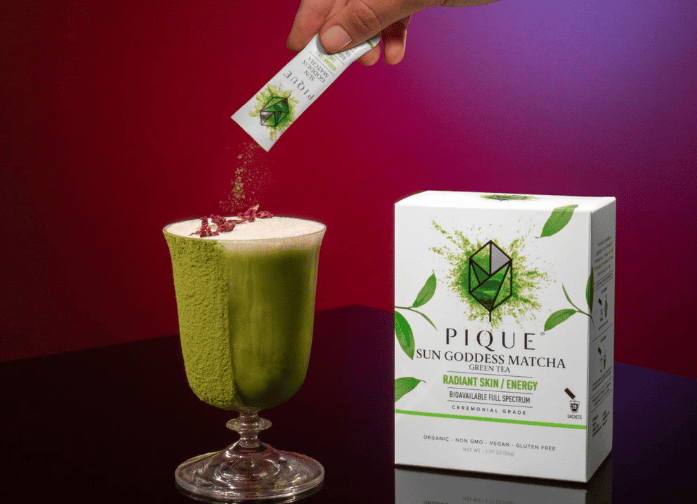
January calls for rituals that actually make you feel amazing—and Pique’s Sun Goddess Matcha is mine. It delivers clean, focused energy with zero jitters, supports glowing skin and gentle detox, and feels deeply grounding. Smooth, ceremonial-grade, and crave-worthy, it’s the easiest way to start your day clear, energized, and glowing from the inside out.
The Curiosity Edit

Today’s Insight: Extreme Longevity
What Brazilian Supercentenarians Can Teach Us About Living To 110
Across the world, scientists study people who reach ages most of us can barely imagine. In Brazil, researchers have found a remarkable number of individuals who live past 100, many well into their 110s, without access to cutting-edge clinics or expensive longevity treatments. This story explores what researchers are learning from these long lives about health, resilience, and aging well. Read the full story here.
Modern Living:
Everyday Relationships

The 5 Types of Friendships We All Need in Our Lives
Friendship isn’t one thing. It’s a landscape of different connections that each serve a role in our lives. Some friendships are casual and fun, others are deep and enduring, and still others exist in the background but matter just the same. This article breaks down the many ways people connect with others and what each type of friendship brings to the table. Read the full story here.
Health & Wellness

Small Inputs, Big Effects on Brain, Body, and Longevity
A focused set of studies and observations that look at how subtle biological and behavioral factors influence aging, muscle, mood, and long-term health. Less about overhaul, more about leverage.
Just 5 More Minutes of Walking, and Less Sitting, Could Help You Live Longer
Covers findings linking modest daily movement changes with reduced risk of early death. Focuses on how small shifts in activity patterns show measurable effects.
Can Alzheimer’s Be Reversed? New Research Points To A Surprising Pathway
Reports on emerging research exploring a cellular process researchers believe may play a role in Alzheimer’s progression. Highlights why this pathway is drawing renewed scientific attention.
Do You Get ‘Hangry’? Feeling Angry From Not Eating Is a Real Thing
Explains the physiological reasons hunger can affect mood and emotional regulation. Looks at how blood sugar and brain chemistry interact.
The Surprising Habit That Speeds Up Muscle Loss After 60
Examines a common behavior doctors associate with faster age-related muscle decline. Explains why it often goes unnoticed until strength loss becomes apparent.
The 50-Percent Rule for Living Well
Explores a psychological framework that reframes how people evaluate well-being and satisfaction. Focuses on perception rather than circumstance.
The Conscious Plate:
Food, Nutrition & Elevated Living
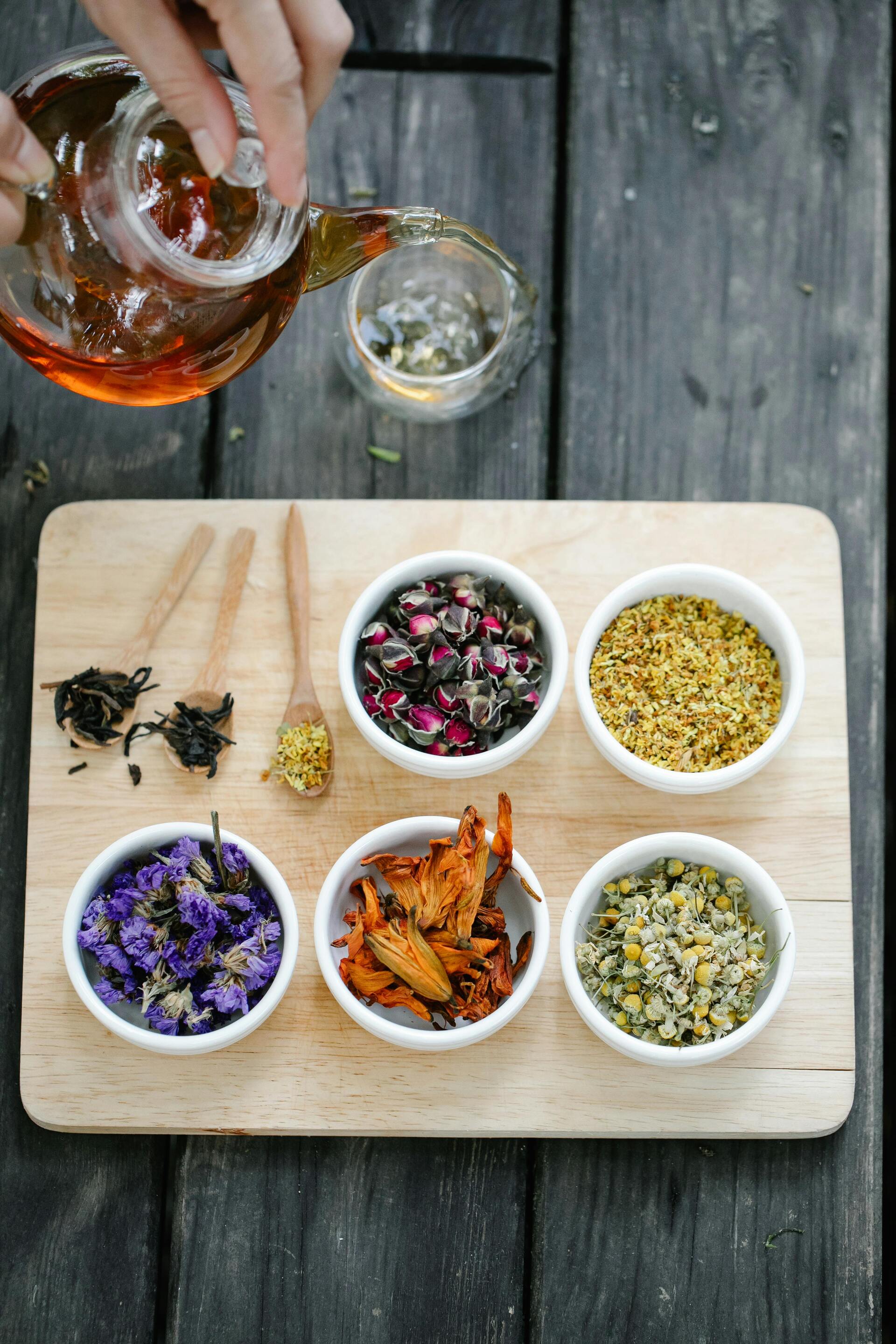
Everyday Eating Habits That Influence Immunity, Energy, and Aging
A grounded look at familiar foods and drinks that shape how the body responds to illness, blood sugar swings, and long-term health. Small choices, repeated often.
8 Teas to Drink When You Have a Cold
Reviews commonly recommended teas and what they may offer during illness. Focuses on hydration, comfort, and compounds linked to symptom relief.
What Happens to Your Body When You Eat Too Much Sugar Regularly
Outlines the physiological effects tied to frequent high sugar intake. Covers metabolic changes that build gradually over time.
4 Nutrients You May Need More of After 50
Highlights nutrients experts say often decline with age. Looks at why needs shift and where gaps commonly appear.
Can You Still Eat Eggs With High Cholesterol?
Examines current thinking on dietary cholesterol and egg consumption. Clarifies how eggs fit into heart-conscious eating patterns.
Drink Up, Coffee Lovers. A Study Suggests Coffee Could Add Years to Your Life
Summarizes research linking coffee intake with longevity markers. Focuses on patterns observed rather than prescription.
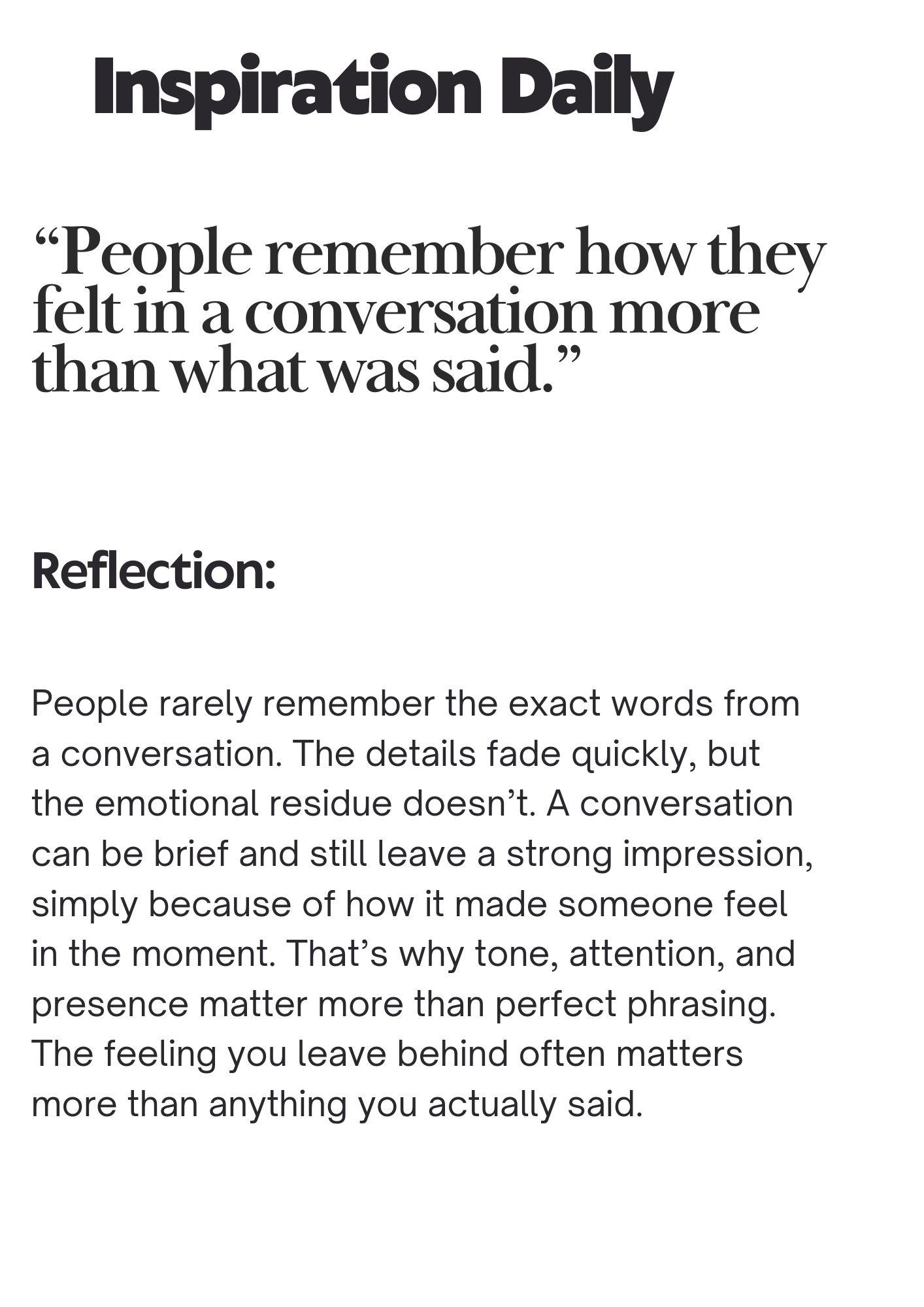
Final Note
This is what we leave you with. A thought to end the day, carry in your pocket, or come back to later. Nothing big. Just something to reflect on.

When Time Slows Down
Time stretches when there’s no clear next step. Uncertainty can make minutes feel longer than they are. Without direction, the mind fills the space with second-guessing and waiting. Often, it’s not the lack of time that’s uncomfortable. It’s the lack of momentum.
Pass It On
Sometimes a thought, an idea, or a perspective lands at just the right time. If something here feels like it might resonate with someone you know, share it with them.

"Love Worthyest? Share the Joy!"
If our newsletter brightens your day, why not share it with someone you care about? Every friend you invite helps grow a community filled with insights, positivity, and meaningful tips for better living.
Your voice matters. Let’s inspire more people together.
Use the “Click to Share” button below to share the joy and help us spread the good today!
Comments, Questions or feedback please reach out to us. We would love to hear from you: [email protected]