- Worthyest
- Posts
- The New Way Scientists Are Thinking About Brain Aging
The New Way Scientists Are Thinking About Brain Aging

Worthyest
January 14, 2026
Worthyest

The New Way Scientists Are Thinking About Brain Aging
Good Morning.
For a long time, brain aging was discussed as if it were an event. Something that arrived suddenly. A diagnosis. A clear before and after.
That’s not how scientists are thinking about it anymore.
Research is increasingly pointing to brain aging as a slow, quiet process, shaped by years of small changes rather than a single turning point. Memory loss and cognitive decline don’t usually appear out of nowhere. They tend to emerge after long periods of subtle shifts that are easy to miss while life is moving along.
What’s changing is where researchers are looking.
Instead of focusing only on memory tests or late-stage symptoms, scientists are paying closer attention to earlier signals: processing speed, mental flexibility, emotional regulation, attention, and recovery from stress. These aren’t dramatic losses. They’re gentle drifts. But over time, they matter.
Another shift is how interconnected brain health is now understood to be.
The brain isn’t being studied in isolation anymore. Blood flow, inflammation, sleep quality, metabolic health, and even muscle function are increasingly seen as part of the cognitive picture. The brain depends on systems throughout the body, and when those systems struggle, the effects often show up mentally long before they’re labeled neurological.
This reframing changes the story people tell themselves about aging.
Cognitive decline isn’t something that suddenly “happens” to a person. It’s something that develops gradually, influenced by how well the brain is supported across decades of ordinary life. That perspective removes some of the fear while adding clarity. It suggests there’s a long middle period where the brain is adapting, compensating, and signaling its needs.
What scientists are really studying now is resilience. How long the brain can maintain function despite stress, disruption, or change. How well it recovers. How flexible it remains when routines change or demands increase.
Brain aging, in this view, isn’t a cliff. It’s a slope. And understanding the slope gives researchers, and eventually people, a much better chance to respond thoughtfully.
Not with panic. With awareness.
That’s how scientists are thinking about it now.
Sponsored by AG1
One Scoop Ahead

AG1 is a daily health drink that supports gut health, helps fill common nutrient gaps, and supports steady energy. One scoop each morning makes it easy to build a habit that actually lasts. Try AG1 today.
The Curiosity Edit

Today’s Insight: Longevity Science
10 Minutes of Intensive Workout Can Trigger Powerful Anti-Cancer Effects: New Study
What if the most impactful anti-cancer move isn’t a pill or a long protocol, but a 10-minute burst of effort you could do today? New research suggests brief, intense exercise can send protective signals through the bloodstream, linked to slowed tumor growth and improved DNA repair. Read the full story here.
The Bright Side
There’s plenty of noise in the world, but here we focus on the good. The Bright Side is where positivity, progress, and proof of human kindness take center stage. Because no matter what’s happening out there, there’s always light to be found.

Mom and Baby Beat 1-in-a-Million Odds to Survive the ‘Rarest of Pregnancies’
Against one-in-a-million odds, doctors told her survival was nearly impossible. Somehow, both mother and baby made it through one of the rarest pregnancies on record. Read the full story here.
Modern Living:
Psychology of Influence

How Does Reverse Psychology Work?
Ever find yourself wanting something more when someone tells you not to? That’s the counterintuitive pull of reverse psychology, a persuasion tactic that plays on our desire for autonomy and control. The article explains the science behind it, plus real-life examples. Read the full story here.
Health & Wellness

Movement, Muscle, and Immune Signals That Matter With Age
How everyday movement choices and seasonal health patterns influence strength, resilience, and how the body adapts over time. Practical insights that emphasize function, not extremes.
8 Bodyweight Exercises That Help You Stay Fit While Traveling
A reminder that maintaining strength and mobility on the road does not require equipment or long workouts. The focus is on preserving muscle engagement, balance, and joint health when routines are disrupted.
Pilates vs. Strength Training: Which Is Better For Muscle Growth and Longevity?
A clear look at how different training styles support muscle mass, posture, and long-term physical function. It reframes the question away from aesthetics and toward durability and aging well.
Sitting Like This Can Bring Major Health Benefits As You Age
Explores how simple changes in how you sit can affect mobility, balance, and joint range of motion. Small daily habits that quietly shape physical independence over time.
Rucking Is The Walking Trend You Need To Try. Here’s Why.
Looks at why adding light load to walking can improve strength, bone density, and cardiovascular fitness. A low-friction way to increase training stimulus without high impact.
The Most Common Winter Viruses Doctors Are Seeing Right Now
An overview of seasonal viruses showing up in clinics and how they tend to present. Useful context for recognizing patterns early and understanding why winter strains hit differently.
The Conscious Plate:
Food, Nutrition & Elevated Living

Everyday Food Choices That Shape Energy, Immunity, and Aging
A practical look at common foods and habits that influence hydration, blood sugar, inflammation, and resilience. Familiar decisions with meaningful long-term effects.
Oatmeal vs. Granola: Which Is Better for Calories, Sugar, and Fiber?
Compares two breakfast staples through the lens of blood sugar response, satiety, and portion reality. Highlights why similar foods can behave very differently in the body.
Why ‘Fresh’ Fish Is Rarely the Best Choice at the Seafood Counter
Explains how freezing, sourcing, and handling affect quality and safety more than labels do. A smarter way to shop for omega-3 rich seafood without guesswork.
Dark Chocolate vs. Blueberries: Which Has More Antioxidants?
Looks beyond antioxidant headlines to consider serving size, sugar, and overall nutritional tradeoffs. A reminder that context matters as much as compounds.
Lemon Water vs. Plain Water: Which Is Better for You?
Breaks down what lemon actually adds to hydration, digestion, and enamel health. Helpful context for separating small benefits from common assumptions.
What Happens to Your Cold Symptoms When You Take Cinnamon and Honey?
Reviews what evidence supports and what it does not when using this popular home remedy. Useful for understanding comfort benefits versus immune effects.
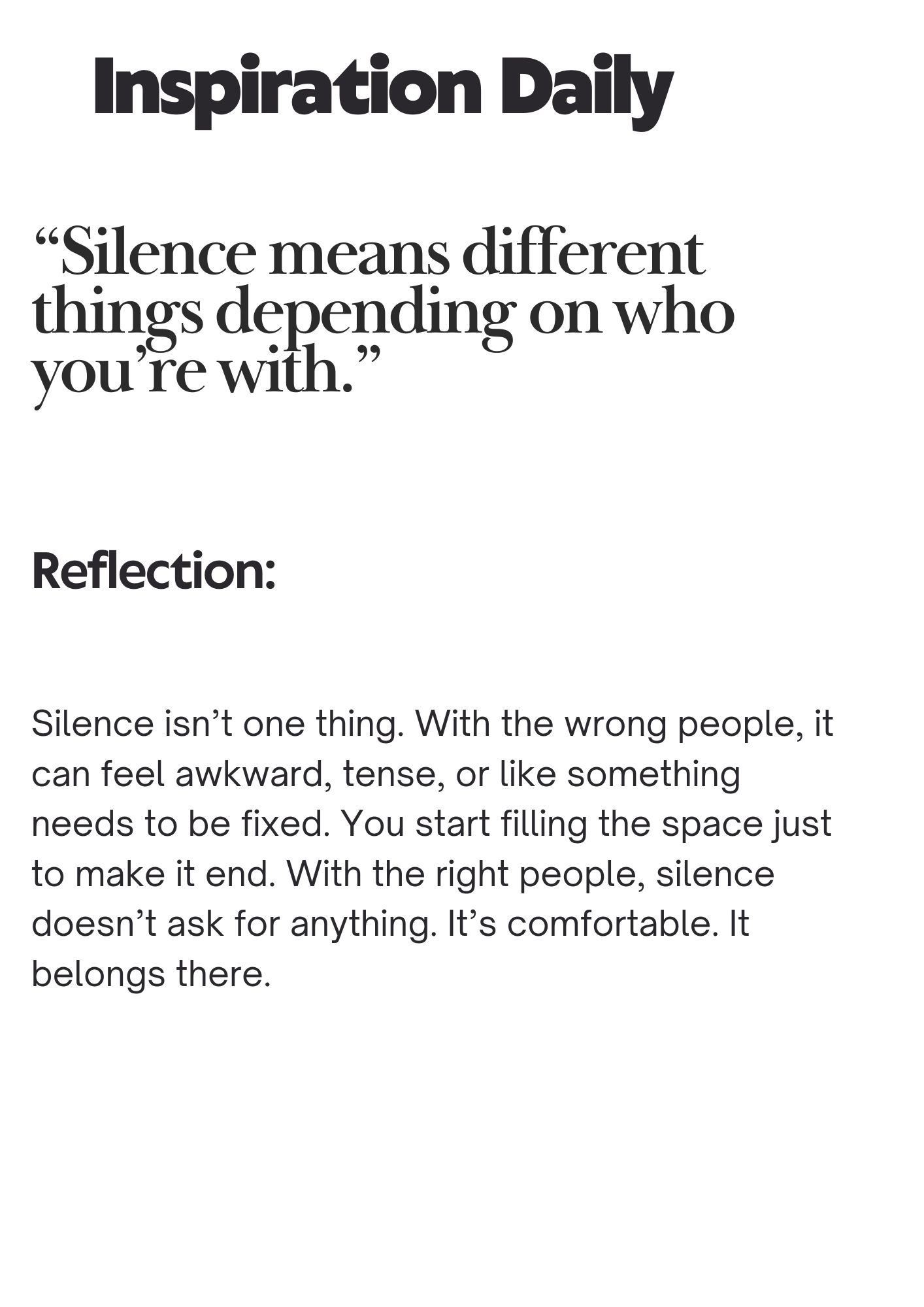
Final Note
This is what we leave you with. A thought to end the day, carry in your pocket, or come back to later. Nothing big. Just something to reflect on.

You Can’t Have Everything at The Same Time
Most tension comes from wanting two incompatible things at once. We want comfort and change. Stability and excitement. Control and freedom. The friction shows up when we try to hold onto both without choosing. Things tend to feel easier once you admit there’s a trade-off. Not everything has to be settled forever, but something usually has to give.
Pass It On
Sometimes a thought, an idea, or a perspective lands at just the right time. If something here feels like it might resonate with someone you know, share it with them.

"Love Worthyest? Share the Joy!"
If our newsletter brightens your day, why not share it with someone you care about? Every friend you invite helps grow a community filled with insights, positivity, and meaningful tips for better living.
Your voice matters. Let’s inspire more people together.
Use the “Click to Share” button below to share the joy and help us spread the good today!
Comments, Questions or feedback please reach out to us. We would love to hear from you: [email protected]