- Worthyest
- Posts
- The One-Notebook Experiment
The One-Notebook Experiment

Worthyest
March 25, 2026
Worthyest
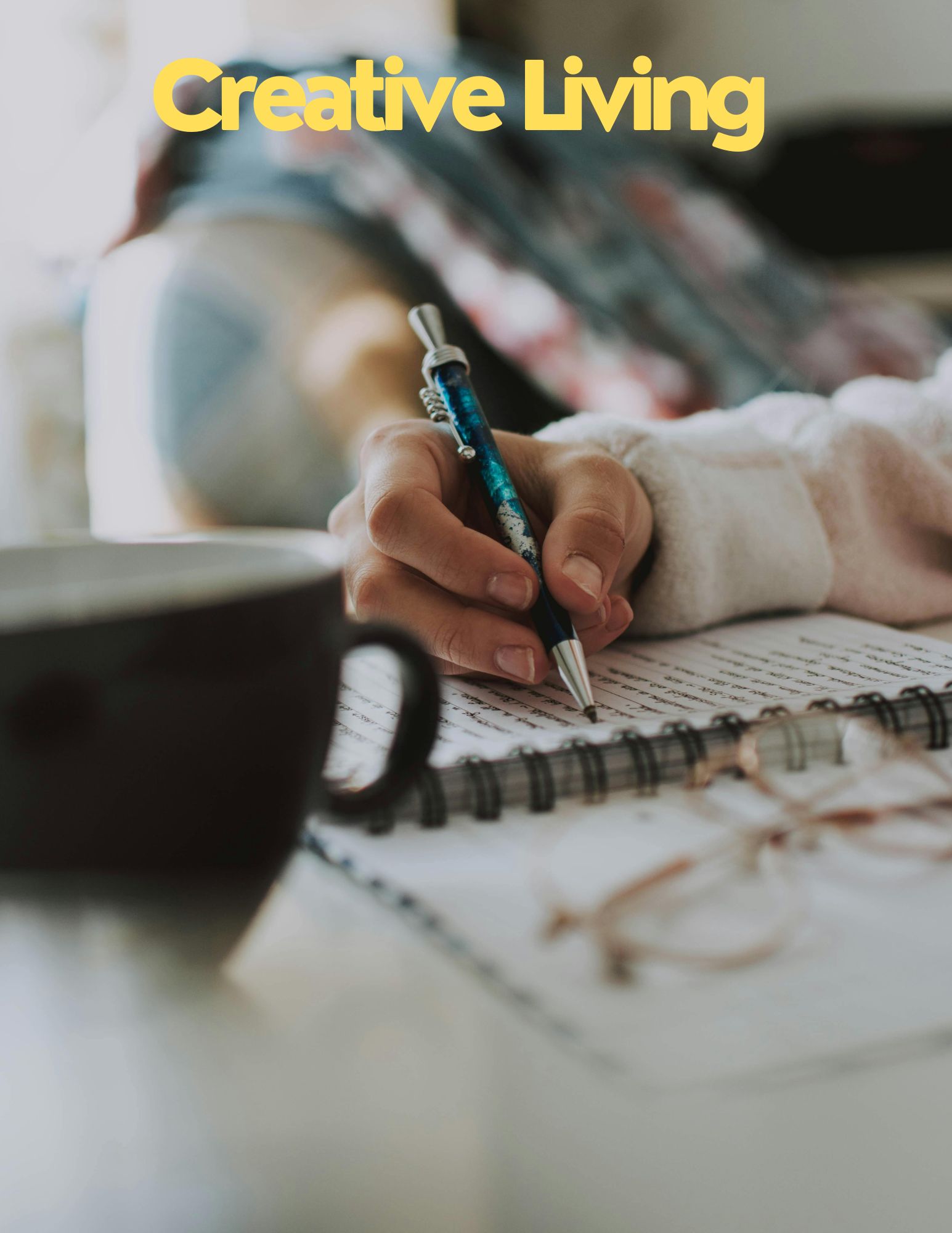
The One-Notebook Experiment
What changes when everything lives in one place
Good Morning.
Most people don’t have a shortage of places to put things.
Notes go in one app. Ideas in another. Tasks somewhere else. A few thoughts live in emails, a few more in screenshots, a few that never make it anywhere at all.
It works, in a way. Until it doesn’t.
The one-notebook experiment starts with a simple decision: everything goes in one place.
Not perfectly organized. Not categorized in advance. Just one notebook, physical or digital, where ideas, tasks, questions, reminders, and half-formed thoughts all land as they come.
At first, it feels too loose.
There’s no clear structure. No separate space for planning versus thinking versus capturing something quickly before it disappears. It can feel like everything is getting mixed together.
But that’s part of the point.
When everything lives in one place, patterns start to show up.
An idea you wrote down three days ago sits next to a task from yesterday. A question from last week appears beside something you’re working through now. Things that would normally stay separate begin to overlap.
That overlap changes how you think.
Instead of treating your notes as storage, you start treating them as a working surface. You revisit them more often. You recognize threads that continue across days. You notice what keeps returning and what quietly drops off.
The notebook becomes less of a record and more of a reflection.
It also changes how you decide what matters.
When everything is visible in one place, it becomes easier to see what you’re actually paying attention to. Not what you intend to focus on, but what shows up again and again. That can be clarifying in a way that more organized systems sometimes aren’t.
There’s less hiding.
A scattered system lets things disappear into categories. A single notebook keeps them closer to the surface. You see unfinished thoughts. You see tasks that keep getting rewritten. You see ideas that felt important in the moment but never returned.
That visibility has a quiet effect.
You start writing things down differently. More directly. Less for storage, more for use. The notebook becomes something you move through, not just something you add to.
It also removes a small but constant friction.
You don’t have to decide where something belongs. You just write it down. That makes it easier to capture ideas when they happen, and easier to come back to them later without retracing your steps across multiple places.
Over time, the notebook begins to feel like a running conversation.
Not perfectly structured, not always tidy, but continuous. A place where thinking accumulates instead of getting distributed.
And that continuity matters.
Because thinking rarely happens in isolated moments. It builds. It loops back. It changes shape over time.
When everything lives in one place, you get to see that process as it unfolds.
And sometimes, that’s enough to change how you think altogether.
Sponsored by Superhuman AI
Go from AI overwhelmed to AI savvy professional

AI will eliminate 300 million jobs in the next 5 years.
Yours doesn't have to be one of them.
Here's how to future-proof your career:
Join the Superhuman AI newsletter - read by 1M+ professionals
Learn AI skills in 3 mins a day
Become the AI expert on your team
The Curiosity Edit

Today’s Insight: Diabetes & Metabolic Health
Insulin Pills May Soon Replace Daily Injections
For decades, the idea of replacing insulin injections with a simple pill has remained just out of reach. Now, researchers are getting closer to solving one of the biggest challenges, finding a way to protect insulin as it moves through the body so it can actually work when taken orally. Read the full story here.
Modern Living:
Relationship Dynamics

Are You Being Held in Your Relationship?
Some relationships feel supportive on the surface but leave you second-guessing yourself underneath. A closer look at these dynamics suggests that what looks like care or stability can sometimes be something more subtle, shaping how much space you actually have to be yourself. Read the full story here.
Health & Wellness

Pace, Strength, and Protecting Function
Health is often shaped by how the body responds under strain, and by what helps preserve capacity over time. This group looks at endurance, sleep, emergency response, mobility, and whether simple training tools can still go far.
Is It Better to Run Fast or Slow?
Different paces serve different purposes, making the better choice less about speed itself and more about what the body is being asked to build.
Sleep Apnea After 50: Why Women Are at Higher Risk
A closer look at why sleep apnea can be easier to miss in women over 50, and why it deserves attention beyond the usual stereotypes.
My Partner Had a Widowmaker Heart Attack. Here’s How I Saved Him
A first-person account of a cardiac emergency that shows how fast recognition and immediate action can alter the outcome.
How to Protect Your Mobility When You Have Obesity
A practical look at how to reduce strain, preserve joint function, and support movement capacity over time.
Are Bodyweight Exercises Actually Enough to Grow Muscle and Improve Strength?
A closer look at how far bodyweight training can take strength and muscle development before added resistance becomes part of the equation.
The Conscious Plate:
Food, Nutrition & Elevated Living
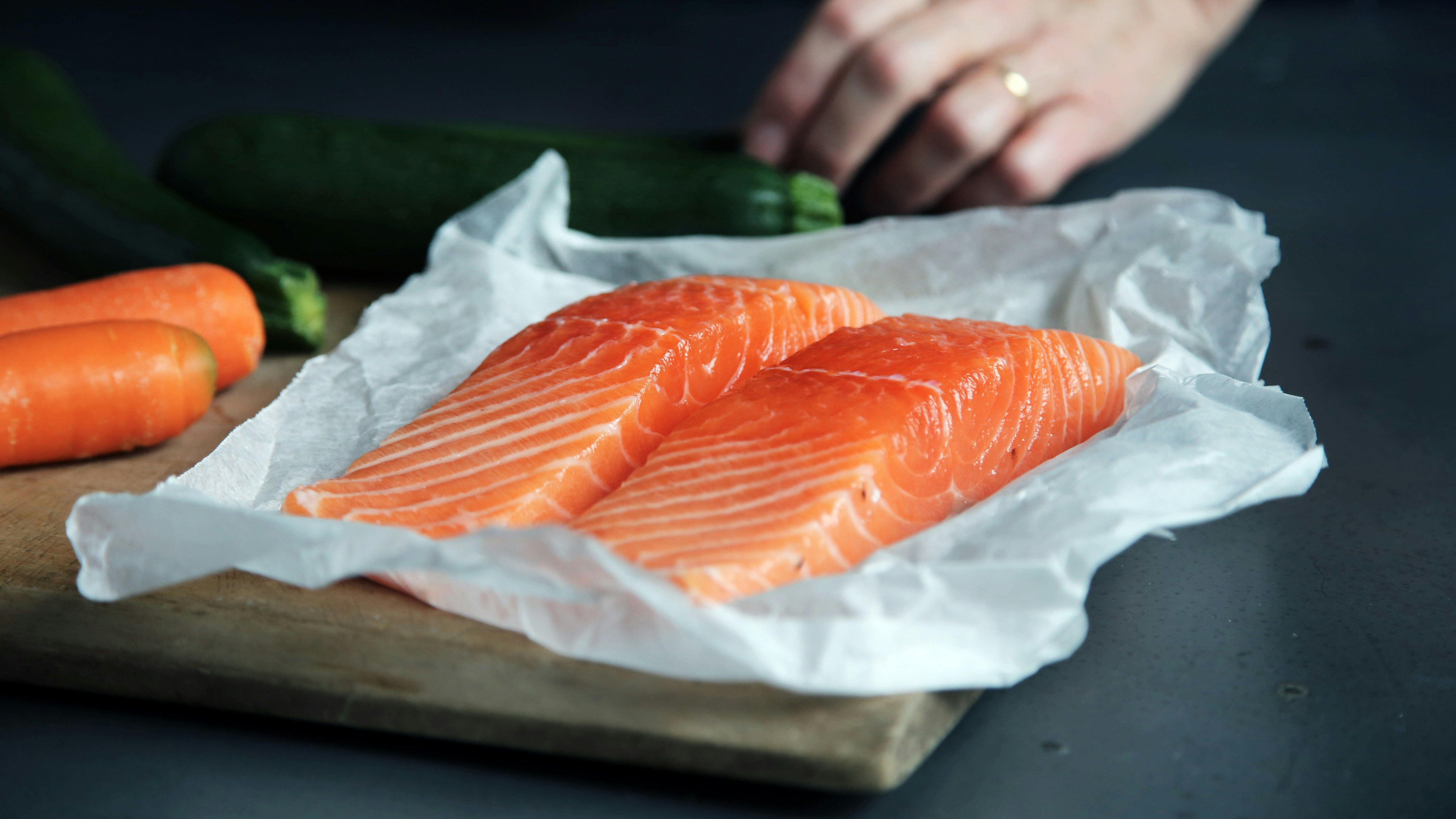
Fertility, Cancer Risk, and Nutritional Tradeoffs
Some of the most consequential nutrition questions sit at the intersection of long-term risk and everyday choices. This group looks at processed foods, fish quality, meat intake, and staple carbohydrates through that wider health lens.
Ultra-Processed Foods May Impact Fertility
New research adds fertility to the growing list of concerns around ultra-processed diets, pointing to effects that may extend beyond metabolism alone.
Farm-Raised vs. Wild-Caught Fish: Which One Has More Omega 3s and Other Nutrients?
A closer look at how two common seafood categories compare nutritionally, with attention to what actually changes from one to the other.
Foods That May Increase Cancer Risk
A few everyday foods are examined through a risk lens, adding more nuance to how diet may shape long-term health outcomes.
Could Eating a Little More Meat Help You Stave Off Alzheimer’s Disease?
A new study raises questions about how meat intake may relate to cognitive outcomes in certain groups, while leaving plenty of room for interpretation.
The Best Carb for Aging and Gut Health, According to Dietitians
Dietitians highlight a familiar carbohydrate for how it may support both digestive health and aging well, reinforcing the value of choosing the right staples.
Final Note
This is what we leave you with. A thought to end the day, carry in your pocket, or come back to later. Nothing big. Just something to reflect on.
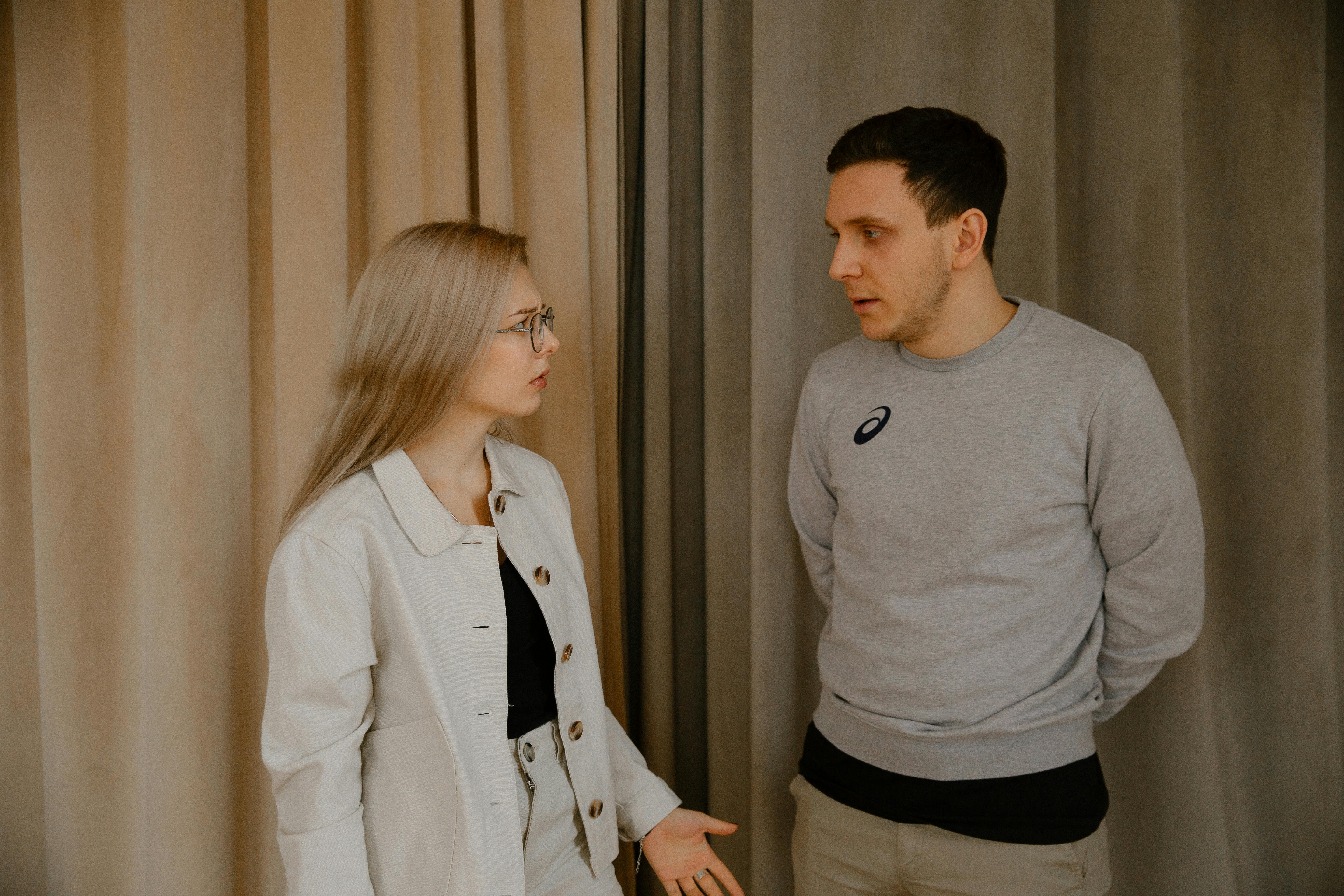
The Real Point Comes Last
When someone says, “I forgot to mention,” what they forgot to mention usually turns out to be the main point. It’s often the detail that was held back or not quite ready to be said earlier. What sounds like an afterthought is sometimes the part that matters most.
Pass It On
Sometimes a thought, an idea, or a perspective lands at just the right time. If something here feels like it might resonate with someone you know, share it with them.

"Love Worthyest? Share the Joy!"
If our newsletter brightens your day, why not share it with someone you care about? Every friend you invite helps grow a community filled with insights, positivity, and meaningful tips for better living.
Your voice matters. Let’s inspire more people together.
Use the “Click to Share” button below to share the joy and help us spread the good today!
Comments, Questions or feedback please reach out to us. We would love to hear from you: [email protected]