- Worthyest
- Posts
- The Psychology of “Clean Eating”
The Psychology of “Clean Eating”

Worthyest
March 04, 2026
Worthyest

The Psychology of “Clean Eating”
Good Morning.
Clean eating began with a simple intention: eat food that feels closer to nature. Fewer additives. Less processing. More ingredients that look like something recognizable from a farm or kitchen rather than a factory.
For many people, that instinct still makes sense. Whole foods tend to be satisfying, nutritionally dense, and easier for the body to work with. The idea of paying attention to ingredients is not unreasonable. In many ways, it reflects a growing awareness of how food systems shape health.
But over time, the phrase “clean eating” started to carry something else with it: a subtle moral tone.
Food was no longer just nourishing or indulgent. It became clean or dirty, good or bad, disciplined or careless. A salad might feel virtuous. A slice of cake might feel like failure. The language of health began to resemble the language of judgment.
Psychologists have noticed this shift. When eating patterns become tied to identity, food choices start to signal more than nutrition. They signal belonging. Control. Self-image. Even virtue.
This is why someone can eat a perfectly balanced meal and still feel uneasy if it doesn’t match their internal rules.
The irony is that rigid food rules can sometimes move people further away from the original goal of health. Stress around eating, constant label-checking, and fear of “breaking the rules” can create tension where food once brought enjoyment or connection.
None of this means paying attention to food quality is misguided. The intention behind clean eating often comes from a healthy place. People want to feel better, think clearly, and take care of their bodies.
The interesting question is what happens when awareness becomes absolutism.
Health rarely lives at the extremes. Most long-lived cultures around the world show a different pattern: meals built around simple foods, shared with others, flexible enough to include both nourishment and pleasure.
In that sense, the healthiest relationship with food might look less like a rulebook and more like a way of eating. A pattern that leaves room for attention, curiosity, and the occasional dessert without the feeling that something has gone wrong.
Because food can shape the body.
But the meaning we attach to food can shape the mind.
Sponsored by Celluma
The LED Device Clinics Actually Use.
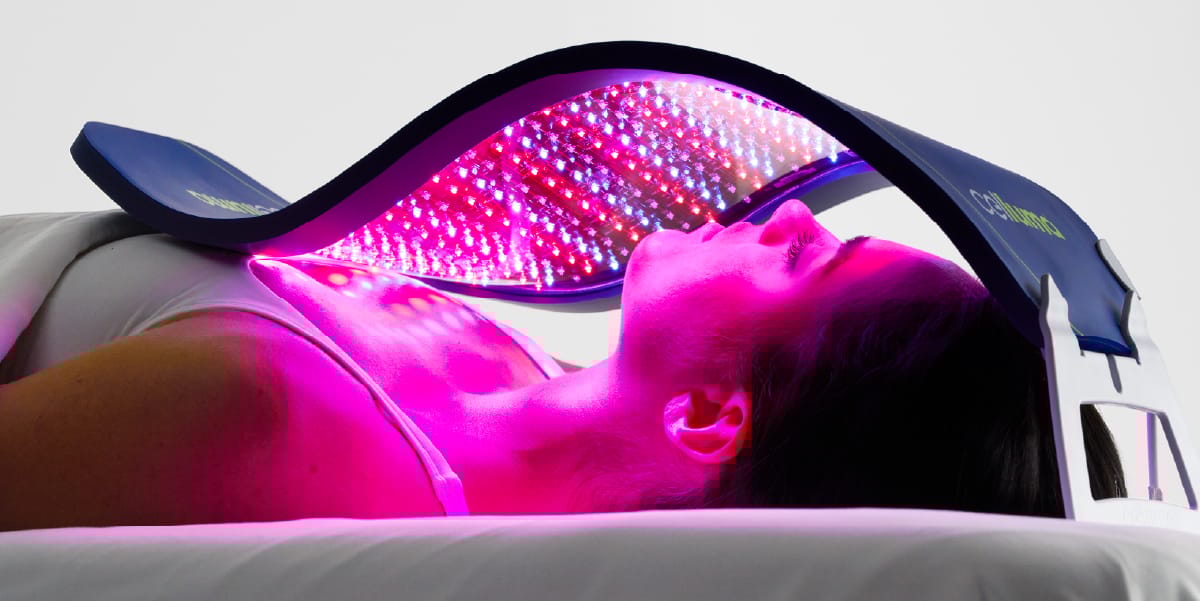
Not all light therapy is created equal.
Celluma is FDA-cleared for wrinkles, acne, pain relief, hair growth, and body contouring — and trusted by physicians worldwide. Professional-grade wavelengths. Patented flexible design. Clinically validated results. If you want the serious version of LED therapy, this is it.
Results vary. Consistent use required.
The Curiosity Edit

Today’s Insight: Medical Breakthroughs
Stanford Cures Type-1 Diabetes in Mice Without Insulin or Immune Suppression
A breakthrough study from Stanford researchers suggests a new path toward treating Type 1 diabetes. In experiments with mice, scientists combined blood stem cells with insulin-producing pancreatic islet cells to effectively reset the immune system and stop it from attacking the body’s own insulin-producing cells. Read the full story here.
Modern Living:
Relationships

How to Overcome Resentment in Relationships
Resentment often feels like a quiet background hum in close relationships, a lingering irritation that doesn’t erupt in drama but steadily dulls connection. According to clinical insights and therapy research, resentment isn’t just “holding a grudge.” It’s a complex emotional pattern that combines unexpressed anger, unmet expectations, and the mental effort of circling old hurts. Read the full story here.
Health & Wellness

Small Daily Inputs, Physical Outcomes
Minor habits and environmental factors often shape how the body feels and functions. This group looks at routine behaviors that influence energy, skin, joints, and sleep.
These 3 Habits Are Secretly Weakening Your Nails (& What To Do Instead)
Common grooming and lifestyle patterns may undermine nail strength, with practical adjustments that support healthier growth over time.
The Science-Backed Morning Habit You're Missing It Takes Only 5 Minutes
A short daily practice is linked to measurable effects on alertness and mood, offering a low-effort way to influence morning physiology.
Psoriatic Arthritis: Hand Strength, Dexterity, and Fine Motor Control
An overview of how inflammation affects hand function, along with strategies that can help preserve grip strength and coordination.
What's the Best Shower Temperature? Doctors Weigh In
Dermatologists discuss how water temperature interacts with skin barrier health, circulation, and overall comfort.
Daylight Saving 2026: How to Make Losing an Hour of Sleep Feel Less Awful
Sleep experts outline ways to prepare for the clock change, focusing on circadian timing and minimizing next-day fatigue.
The Conscious Plate:
Food, Nutrition & Elevated Living

Fiber, Protein, and Smart Preparation
Breakfast patterns, protein trends, and cooking methods all influence how nutrients are absorbed and used. This group looks at everyday foods through a metabolic and micronutrient lens.
The High-Fiber Breakfast You'll Wish You Started Making Sooner
A make-ahead breakfast built around fiber and balance, designed to keep you full and steady through the morning without overcomplicating things.
The Great Protein Debate: Are We Overdoing Protein?
A closer look at how much protein different bodies actually require, separating marketing trends from physiological need.
6 of the Healthiest Ways To Cook Eggs, According to Experts
Preparation methods can influence nutrient retention and added fats, making technique part of the overall nutrition picture.
Oats vs. Quinoa: Which Has More Plant-Based Protein and Iron?
A side-by-side comparison of two pantry staples examines protein density, mineral content, and how each fits into a plant-forward pattern.
6 Fish That Are Highest in Vitamin D
Certain varieties stand out for vitamin D content, offering a food-based option for supporting bone, immune, and metabolic health.

Final Note
This is what we leave you with. A thought to end the day, carry in your pocket, or come back to later. Nothing big. Just something to reflect on.

Kindness Doesn’t Mean Yes
You can be kind and still say no. Kindness isn’t the same as agreement. Sometimes the most honest response is a clear boundary delivered without anger. Respect doesn’t disappear when you choose not to say yes.
Pass It On
Sometimes a thought, an idea, or a perspective lands at just the right time. If something here feels like it might resonate with someone you know, share it with them.

"Love Worthyest? Share the Joy!"
If our newsletter brightens your day, why not share it with someone you care about? Every friend you invite helps grow a community filled with insights, positivity, and meaningful tips for better living.
Your voice matters. Let’s inspire more people together.
Use the “Click to Share” button below to share the joy and help us spread the good today!
Comments, Questions or feedback please reach out to us. We would love to hear from you: [email protected]