- Worthyest
- Posts
- We Don’t Know Yet: Why Some People Age Slower Than Others
We Don’t Know Yet: Why Some People Age Slower Than Others

Worthyest
February 03, 2026
Worthyest
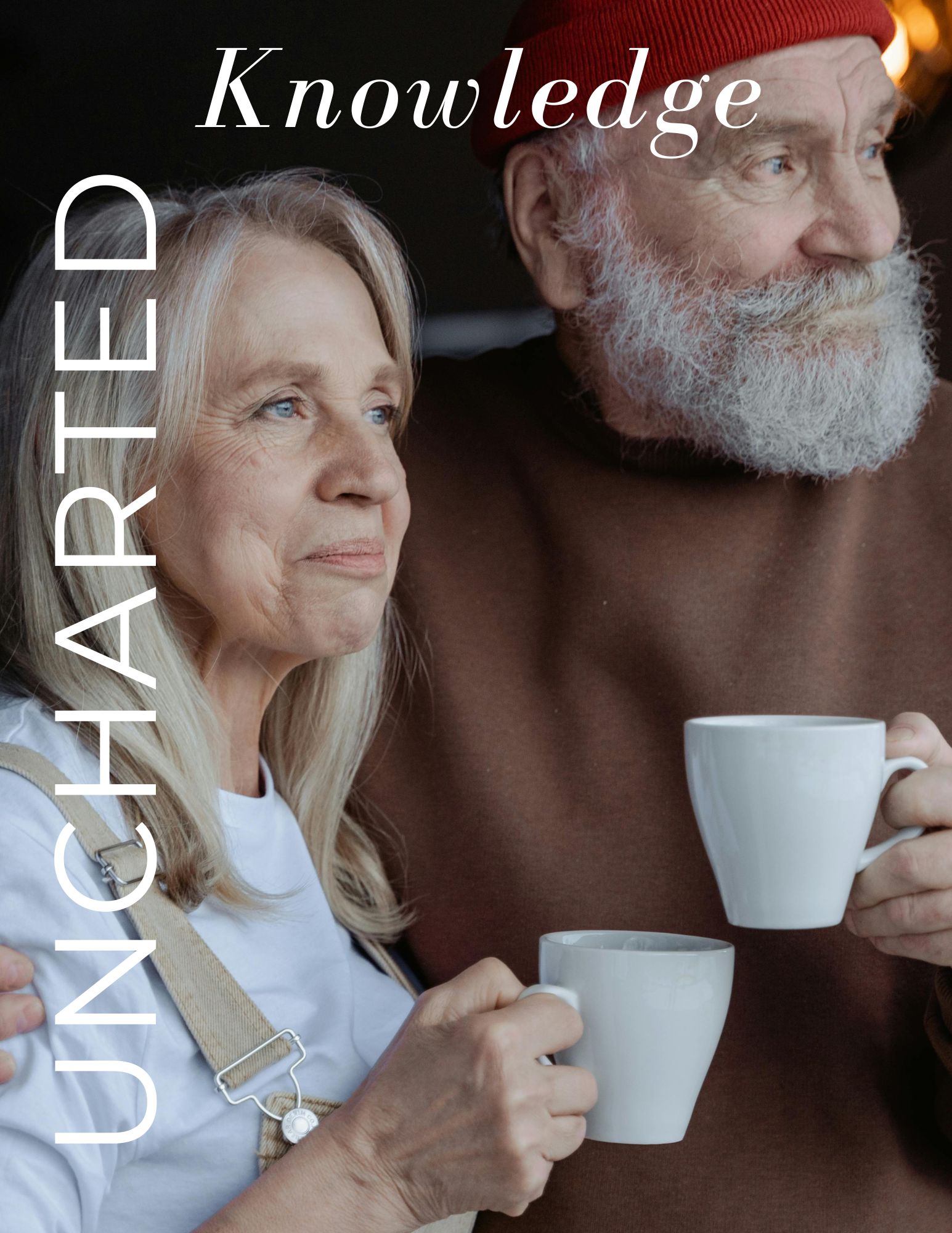
We Don’t Know Yet: Why Some People Age Slower Than Others
A recurring series on the questions science hasn’t answered yet.
Good Morning.
Modern medicine can measure almost everything.
Blood markers. Genetic risk. Lifestyle factors. Even the pace at which certain cells wear down. And yet, one of the most basic questions about aging still doesn’t have a satisfying answer.
Why do some people age dramatically slower than others?
Not in the motivational sense. Not because they “took better care of themselves.” But in ways that show up clearly in the body. Organs that function younger than expected. Immune systems that stay resilient. Brains that remain flexible well into old age.
Scientists have identified many contributors. Genetics matter. So does movement, sleep, stress exposure, and social connection. But none of these fully explain the gap.
Two people can live similar lives and age very differently.
What complicates things further is that aging doesn’t move at the same speed across the body. One system may decline while another continues to function well. Some tissues appear unusually resistant to damage. Certain repair mechanisms stay active longer than models predict.
Researchers can describe what’s happening. They can’t yet explain why it unfolds this way in some people and not others.
That uncertainty matters.
If aging were governed by a single master switch, interventions would be straightforward. Instead, aging appears to be a mosaic. Multiple systems. Interacting timelines. Feedback loops that amplify small differences over decades.
Right now, scientists are mapping correlations. They’re cataloging patterns. They’re learning which signals appear early and which show up only after decline is underway.
What they don’t yet have is a unifying explanation.
And that gap shapes how aging research moves forward. It shifts the focus from chasing one solution to understanding how resilience emerges across systems. How repair, restraint, and adaptation work together. How durability is maintained without pushing the body into overdrive.
In other words, the future of aging research may depend less on stopping time and more on understanding why time treats some bodies differently than others.
That answer is still forming.
And for now, scientists are comfortable saying what’s honest.
We don’t know yet.
The Curiosity Edit

Today’s Insight: Next-Gen Cancer Therapies
A Trojan Horse Cancer Therapy Shows Stunning Results
This is not the usual “kill the tumor” story. It’s a “remove what’s helping it survive” story, and early results hint at a new playbook for hard-to-treat cancers. The idea is simple: some tumors don’t just grow, they build a protective ecosystem around themselves. This approach goes after that support system first, which may be why the early signal looks so different. Read the full story here.
The Bright Side
There’s plenty of noise in the world, but here we focus on the good. The Bright Side is where positivity, progress, and proof of human kindness take center stage. Because no matter what’s happening out there, there’s always light to be found.

Helping with Grandkids May Protect Against Cognitive Decline, Shows New Research
A new study suggests that one of the most meaningful ways to stay mentally sharp as we age isn’t a supplement or a puzzle. It may simply be the everyday engagement of caring for the next generation. Research shows that grandparents who help with their grandchildren tend to maintain stronger memory and thinking skills than those who don’t. Read the full story here.
Modern Living:
Mental Health & Relationships

Feeling Lonely? How to Build Connection and Belonging
Loneliness isn’t simply the state of being alone. It’s the painful feeling of disconnection that can happen even in a room full of people. New insights remind us that belonging is a fundamental human need and explore practical ways to understand why we feel lonely and how intentional connection can begin to bridge that gap. Read the full story here.
Health & Wellness
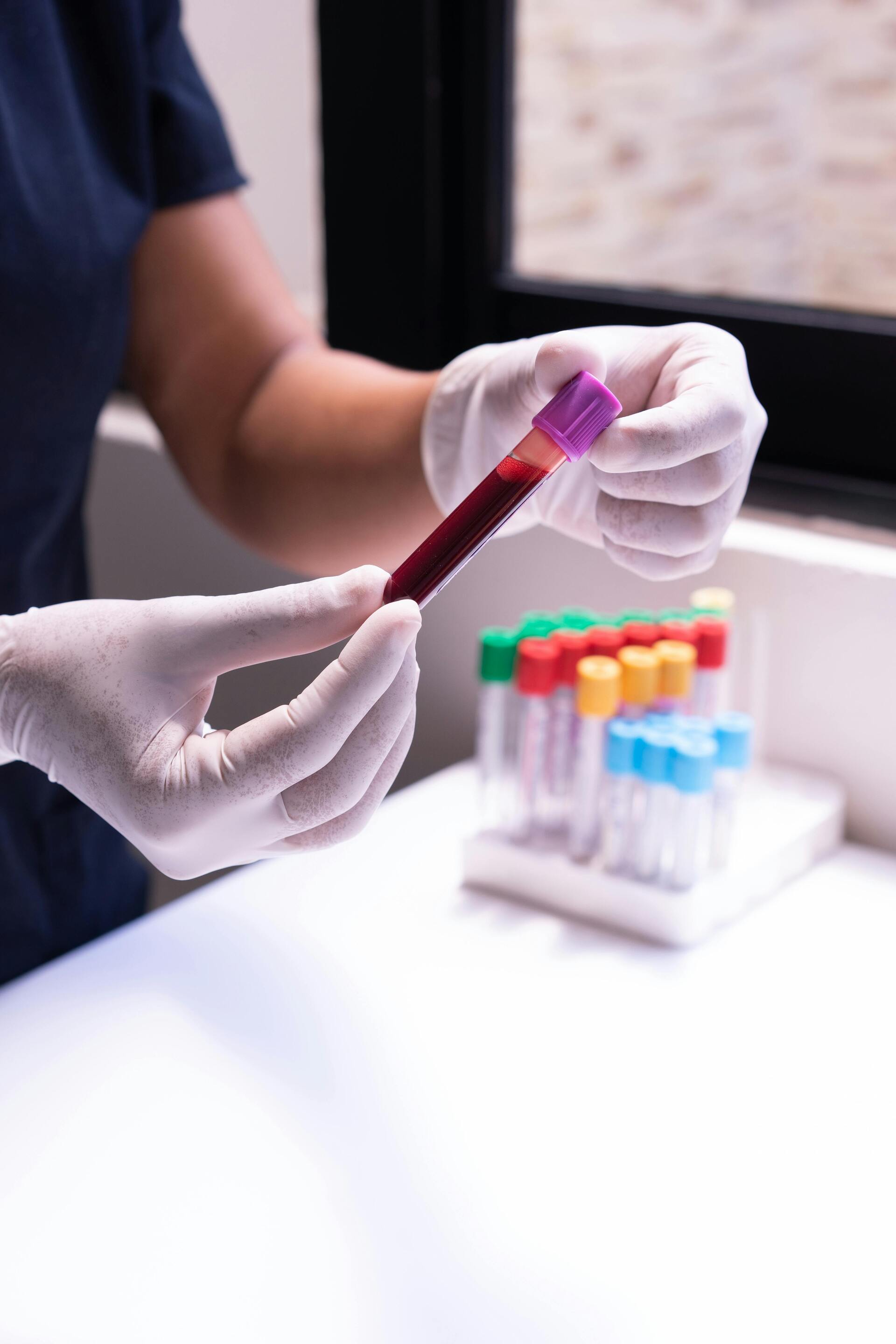
Early Signals, Long-Term Risk, and Preventive Levers
New research and real-world evidence pointing to where prevention, early detection, and daily movement intersect with long-term health outcomes.
A Simple Blood Test Could Spot Parkinson’s Years Before Symptoms
Covers emerging research on a blood marker that may identify Parkinson’s long before clinical signs appear. Highlights how early detection could change the timing of intervention.
How to Beat Heart Disease Before It Starts
Focuses on upstream habits linked to cardiovascular risk reduction. Emphasizes prevention strategies rather than late-stage treatment.
Long-Term Alcohol Use Linked to a Sharp Rise in Rectal Cancer
Reviews large-scale data connecting sustained alcohol intake with increased cancer risk. Centers on dose, duration, and population-level patterns.
The Unexpected Workout That Helped Lower My Blood Pressure
Looks at how a less obvious form of exercise influenced blood pressure readings. Underscores consistency over intensity.
Changing Up Your Workouts May Help You Live Longer, New Study Suggests
Examines research linking exercise variety to longevity markers. Suggests adaptability may matter as much as total activity.
The Conscious Plate:
Food, Nutrition & Elevated Living

Supplements, Shortcuts, and What Actually Moves the Needle
A grounded look at when nutrition tools help, when they don’t, and how everyday food choices influence inflammation, heart health, and longevity.
Do Multivitamins Work? Dietitians Explain When They Help and When They Don't
Clarifies who may benefit from multivitamins and who likely won’t. Focuses on gaps, context, and realistic expectations.
5 Anti-Inflammatory Foods Men Over 50 Should Be Eating, According to Dietitians
Highlights foods linked to lower inflammation as men age. Emphasizes consistency over supplements or restrictive plans.
Are Protein Bars Good for You? Benefits and Risks Explained
Breaks down how protein bars vary widely in quality. Looks at ingredients, sugar content, and when they make sense.
Being Deficient in This Mineral May Shorten Lifespan, Says New Research
Reviews research linking low intake of a key mineral to longevity outcomes. Focuses on dietary sources rather than pills.
This Man Lowered His Cholesterol by 40 Points in 6 Months. Here’s How
Shares a real-world example of cholesterol improvement through diet changes. Centers on practical shifts rather than extreme measures.

Final Note
This is what we leave you with. A thought to end the day, carry in your pocket, or come back to later. Nothing big. Just something to reflect on.

The Friends Who Matter, Even From a Distance
Certain friends remain important even when they’re no longer central. Not every important relationship stays at the center of your life. Some move to the edges without losing their meaning. They remain part of who you are, even if they no longer shape your days.
Pass It On
Sometimes a thought, an idea, or a perspective lands at just the right time. If something here feels like it might resonate with someone you know, share it with them.

"Love Worthyest? Share the Joy!"
If our newsletter brightens your day, why not share it with someone you care about? Every friend you invite helps grow a community filled with insights, positivity, and meaningful tips for better living.
Your voice matters. Let’s inspire more people together.
Use the “Click to Share” button below to share the joy and help us spread the good today!
Comments, Questions or feedback please reach out to us. We would love to hear from you: [email protected]