- Worthyest
- Posts
- Why Eating Can Be Exhausting
Why Eating Can Be Exhausting

Worthyest
January 21, 2026
Worthyest
Why Eating Can Be Exhausting
Good Morning.
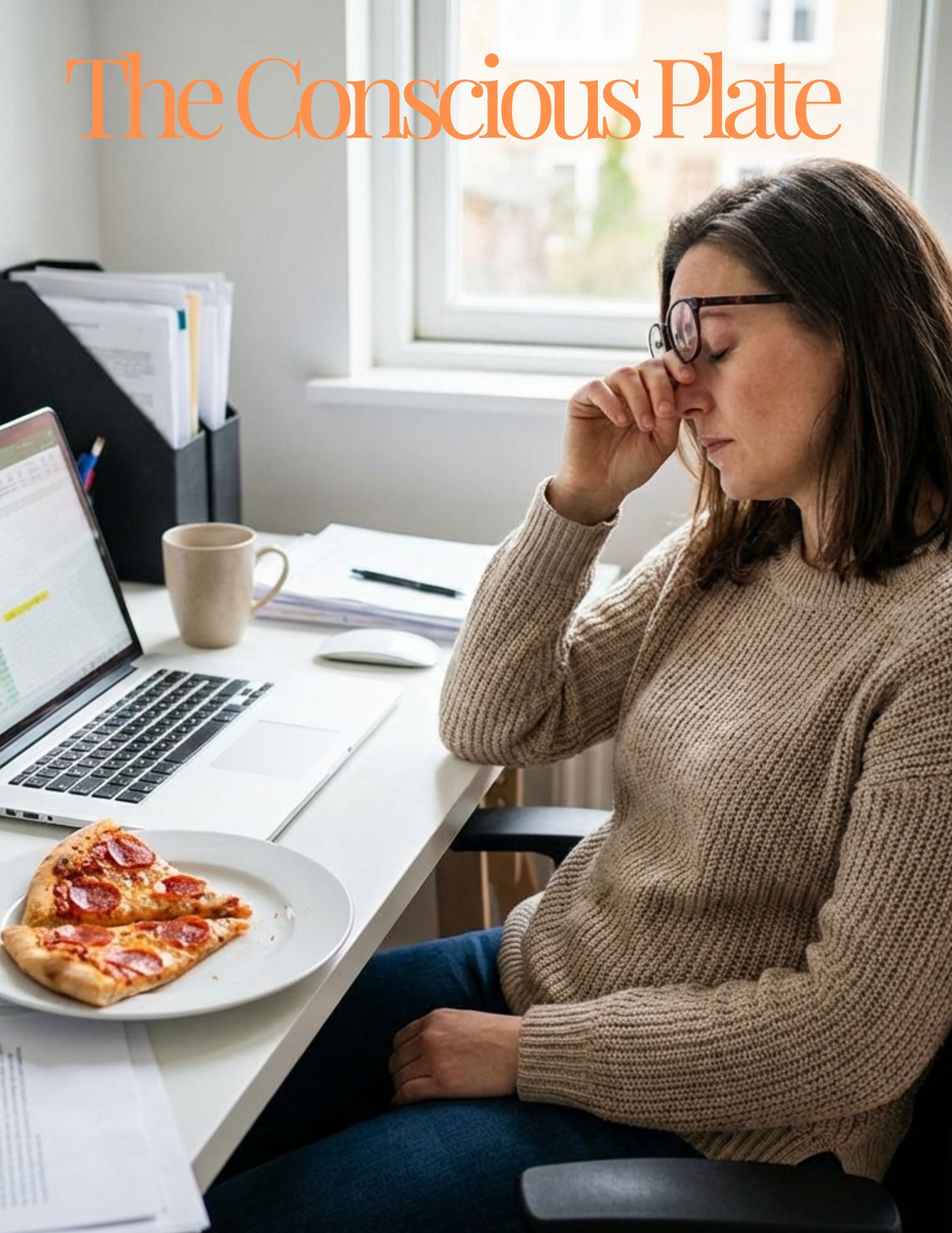
We’re taught that food gives you energy, so it’s confusing when a meal leaves you more tired afterward. Not always. Just sometimes.
You sit down to work and your brain feels thick. Your focus gets fuzzy. You reread the same sentence three times. The day doesn’t feel easier. It feels harder than it should.
That’s not in your head. It’s in your blood, your nervous system, and your digestion.
Some meals demand a lot of processing. When digestion ramps up, more blood flow and attention are pulled toward the gut. Your body is doing real work, and that can temporarily change how alert you feel, especially if you were already tired, stressed, or running on low sleep.
The biggest issue, for many people, is the rise and fall of blood sugar.
A meal that’s heavy on refined carbs or sugar can spike blood glucose quickly. Foods like pastries, sweet cereals, or a carb-heavy lunch without much protein can do this. That can feel like energy at first. Then the drop comes. And that drop often feels like brain fog, irritability, or that weird “I can’t think clearly” feeling. Even meals that aren’t obviously sugary can trigger the same pattern if they’re very carb-heavy and low in protein, fiber, or fat. The meal hits fast, and the system swings hard.
There’s also the quiet effect of inflammation and sensitivity.
Some people feel mentally dull after certain foods because their body just doesn’t love them. Not in a scary allergy way, more like a low-level “this didn’t agree with me” way. You might feel bloated, slow, moody, or foggy. And it can show up in your head, not just your stomach.
And sometimes it’s simpler than that. The meal was just bigger than it needed to be for that moment.
A very large lunch can sometimes create a predictable pattern: energy drops, focus shrinks, and the afternoon becomes a survival exercise. People blame their discipline. It’s often just physiology.
The point is not to fear food or micromanage every bite. It’s to notice the pattern.
If you consistently feel less sharp after certain meals, that’s useful information. It might be about how fast you ate, what the meal was like, or how your body handles food at that time of day.
A helpful reframe is this:
Some meals are built for comfort.
Some are built for stamina.
Some are built for sharpness.
If you need your brain to work after you eat, the goal is usually a more even curve, not a spike. More protein, more fiber, fewer quick carbs, and a portion that doesn’t wipe you out.
Food can give you energy. But it can also take away your mental clarity.
It’s not a willpower issue. Your body is doing what it’s built to do.
Sponsored by Wispr Flow
Capture ideas on the go
Your best ideas arrive between tasks. Dictate them and get paste-ready text instantly. Wispr Flow saves time and keeps your voice. Try Wispr Flow for parents.
The Curiosity Edit

Today’s Insight: Mind & Brain
Your Brain Does Something Surprising When You Don’t Sleep
After a night without much sleep, you’ve probably noticed your attention wandering or your mind drifting off at the worst times. New research suggests there’s more happening in the brain after poor sleep than simple tiredness. Read the full story here.
The Bright Side
There’s plenty of noise in the world, but here we focus on the good. The Bright Side is where positivity, progress, and proof of human kindness take center stage. Because no matter what’s happening out there, there’s always light to be found.

Chef Saves Elderly Man After He Didn’t Show Up At Restaurant He Eats At Every Day
For more than a decade, one man made a local restaurant part of his daily routine, showing up for the same meal every day like clockwork. When he suddenly stopped coming in, the chef didn’t just notice. He took action, ultimately tracking the man down and helping save his life. Watch the video.
Modern Living:
How We Think

Why You Keep Making Bad Decisions
Every day you make choices without thinking about them, and you probably make a few without thinking hard about them too. Sometimes decisions go sideways not because you’re careless, but because of how the mind works. Experts say the explanation is usually more subtle than we realize. Read the full story here.
Health & Wellness

Daily Habits That Quietly Shape Heart Health, Immunity, and Longevity
A measured look at how small, repeatable choices influence blood pressure, immune response, and long-term health outcomes. Less intensity, more consistency.
Cardiologists Reveal the 5 Afternoon Habits to Start for Better Blood Pressure
Outlines simple afternoon behaviors cardiologists associate with steadier blood pressure readings. Focuses on timing and routine rather than drastic change.
No, You Shouldn’t Take Supplements to Detox Your Body. Here’s Why
Reviews why experts say detox supplements often do more harm than good. Explains how the body already manages detoxification on its own.
The Case for Ditching ‘Hard’ Workouts and Playing Instead
Explores research on playful movement and its effects on motivation, stress, and consistency. Looks at why enjoyment may support long-term fitness better than intensity alone.
Want to Live Longer? A New Study Finds These Small Changes Make a Big Difference
Summarizes findings linking modest lifestyle adjustments with improved lifespan markers. Highlights behaviors associated with lower long-term risk.
What Regular Exercise Can Do for Your Immune Health
Details how consistent physical activity affects immune function over time. Focuses on balance rather than extremes.
The Conscious Plate:
Food, Nutrition & Elevated Living
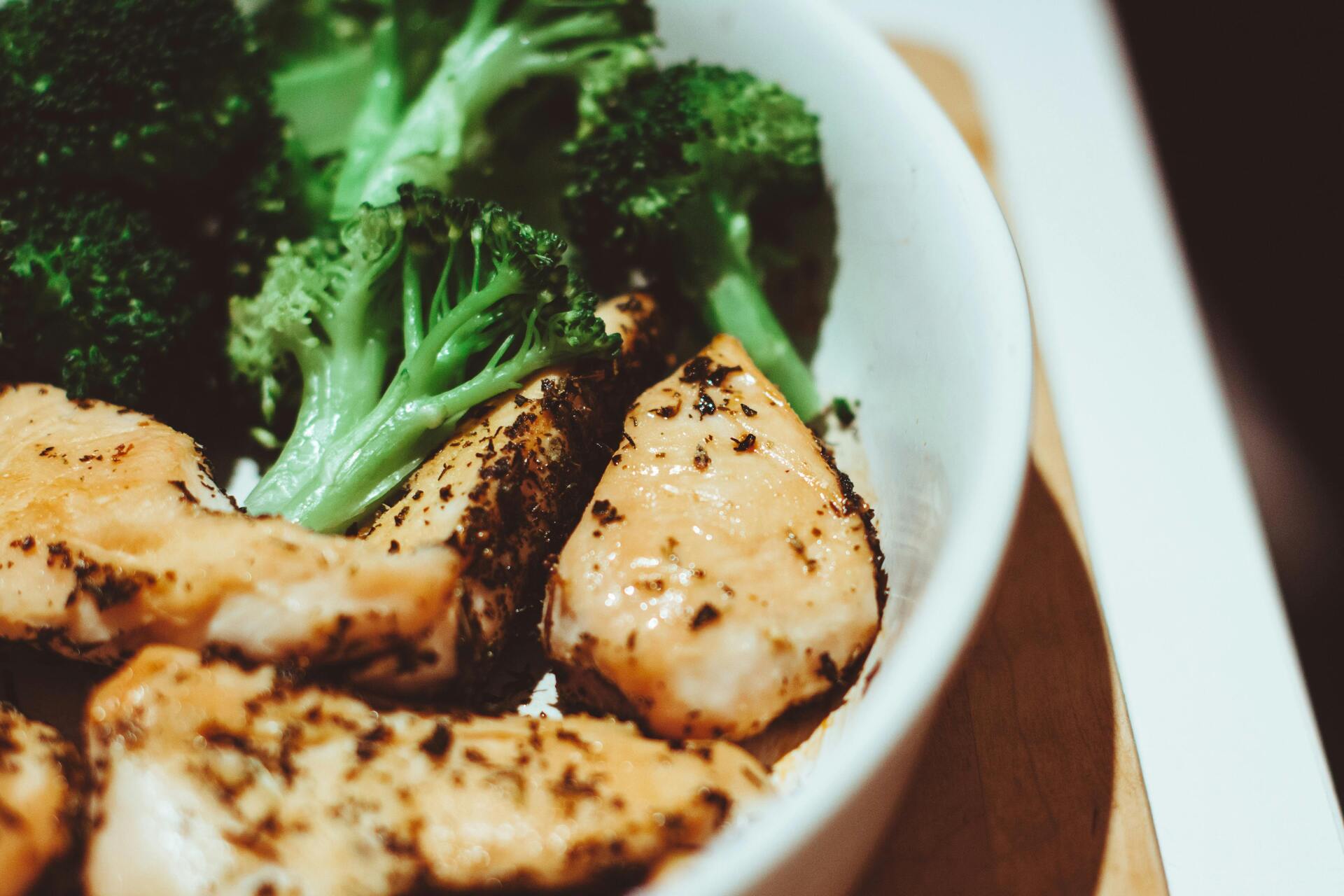
Daily Food Choices That Influence Energy, Health Claims, and Everyday Rituals
A practical mix of nutrition questions and kitchen habits that affect how the body feels and functions over time. Focused on what holds up in daily life, not trends.
What Happens to Your Energy Levels When You Eat More Protein
Explains how protein intake affects energy, satiety, and blood sugar stability. Clarifies what protein does well and where expectations are often misplaced.
How to Grow an Apple Tree Indoors for Delicious, Crisp Fruit Year-Round
Outlines what it actually takes to grow fruit indoors, from light needs to realistic yield. Separates what is possible from what is practical.
What Happens to Your Sleep When You Take Apple Cider Vinegar Before Bed
Reviews evidence around apple cider vinegar and nighttime routines. Looks at what research supports and where claims outpace data.
Just 1 Garlic Clove a Day Can Deliver These Impressive Health Benefits
Summarizes research on garlic’s compounds and their links to heart and immune health. Focuses on amounts studied and realistic intake.
We Asked a Dietitian If Daily Multivitamins Are Really Worth Taking
Examines when multivitamins may help and when they add little value. Centers on nutrient gaps rather than blanket supplementation.
Final Note
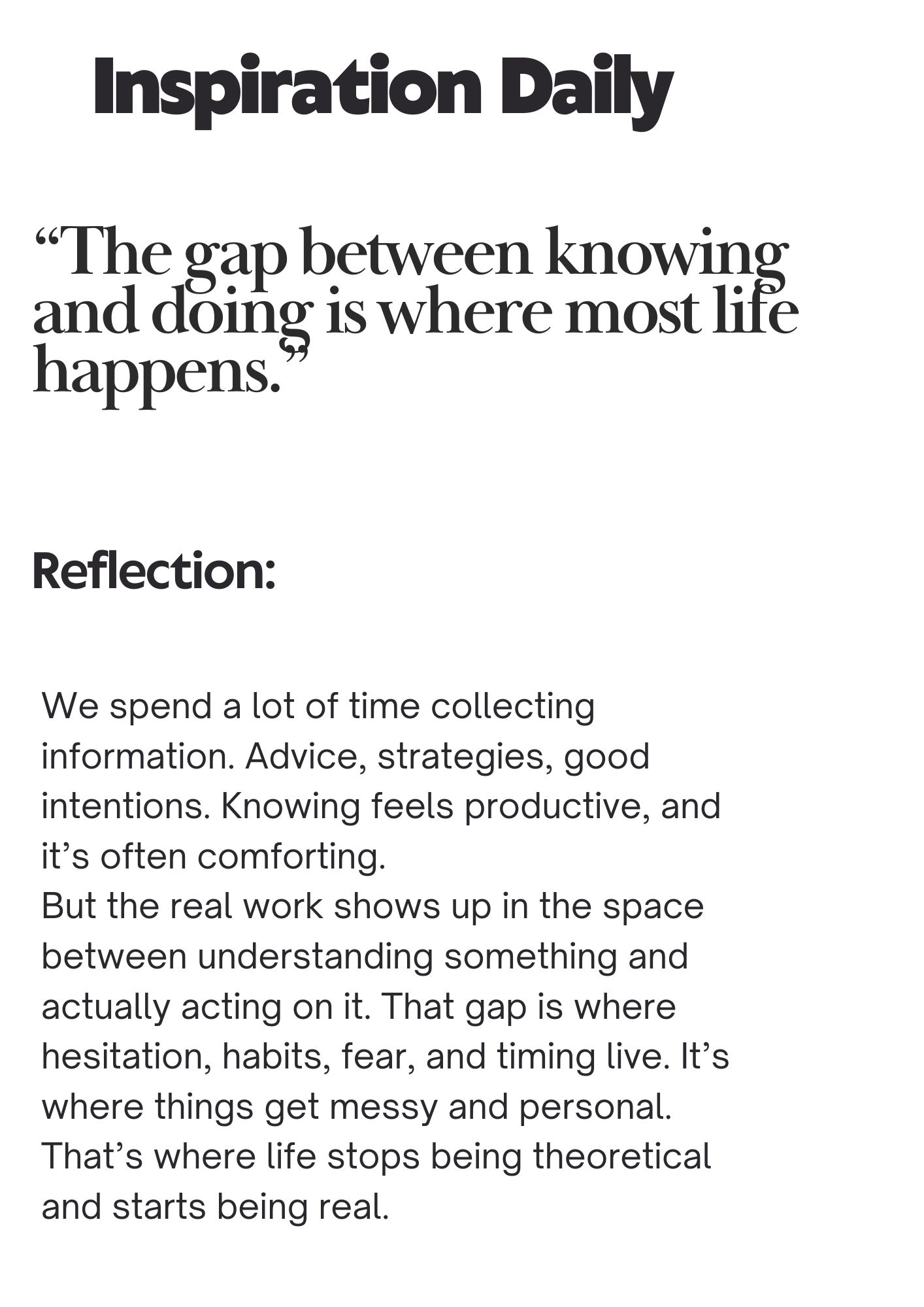
This is what we leave you with. A thought to end the day, carry in your pocket, or come back to later. Nothing big. Just something to reflect on.

Why Some Moments Slip Away So Fast
You can forget something that happened last week and clearly remember how something from years ago felt. It’s not about recency. It’s about whether the moment registered in a meaningful way.
Pass It On
Sometimes a thought, an idea, or a perspective lands at just the right time. If something here feels like it might resonate with someone you know, share it with them.

"Love Worthyest? Share the Joy!"
If our newsletter brightens your day, why not share it with someone you care about? Every friend you invite helps grow a community filled with insights, positivity, and meaningful tips for better living.
Your voice matters. Let’s inspire more people together.
Use the “Click to Share” button below to share the joy and help us spread the good today!
Comments, Questions or feedback please reach out to us. We would love to hear from you: [email protected]